Trades workwear is easier to manage when the range is built around the jobs people do, the conditions they work in and how the garments will be replaced later. Buying one garment at a time often creates a mix of colours, fits and styles that becomes harder to control as the team grows.
Map the work before choosing garments
Start with role, environment and season. Consider whether employees work mainly indoors or outdoors, how much movement the job requires, what layers are needed and whether specific protective requirements apply to the task. Where regulated PPE is required, the relevant risk assessment and applicable standards should drive that choice.
Build a simple layering system
A practical non-specialist workwear range can be structured around base garments such as T-shirts or polos, a warmer mid-layer such as a sweatshirt or fleece, suitable trousers and an outer layer where required. Keeping colours coordinated makes it easier for different combinations to still look like one team.
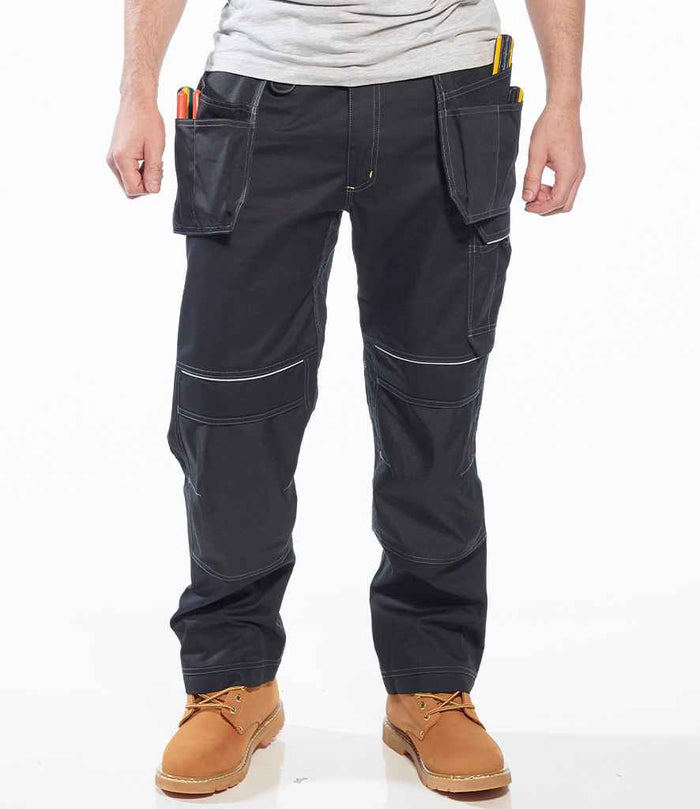
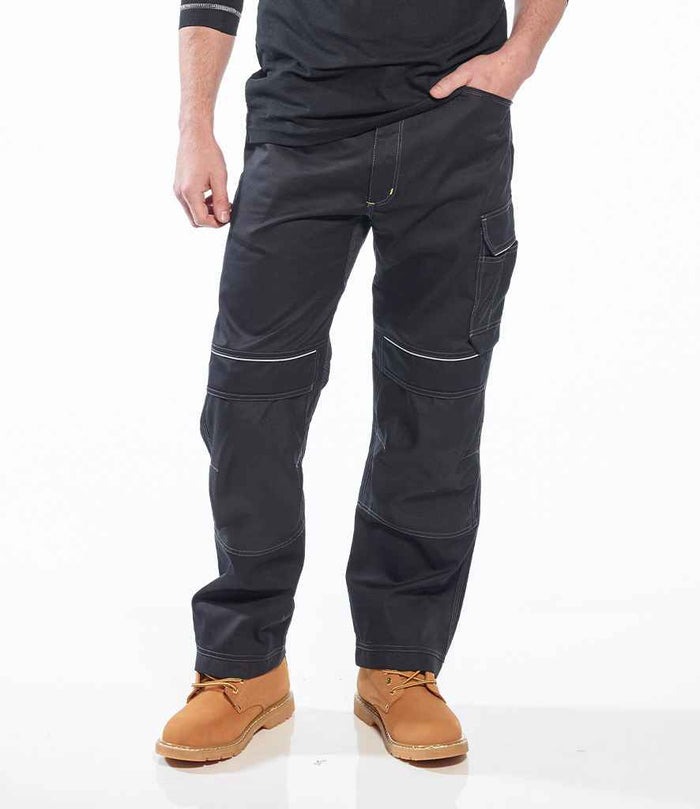
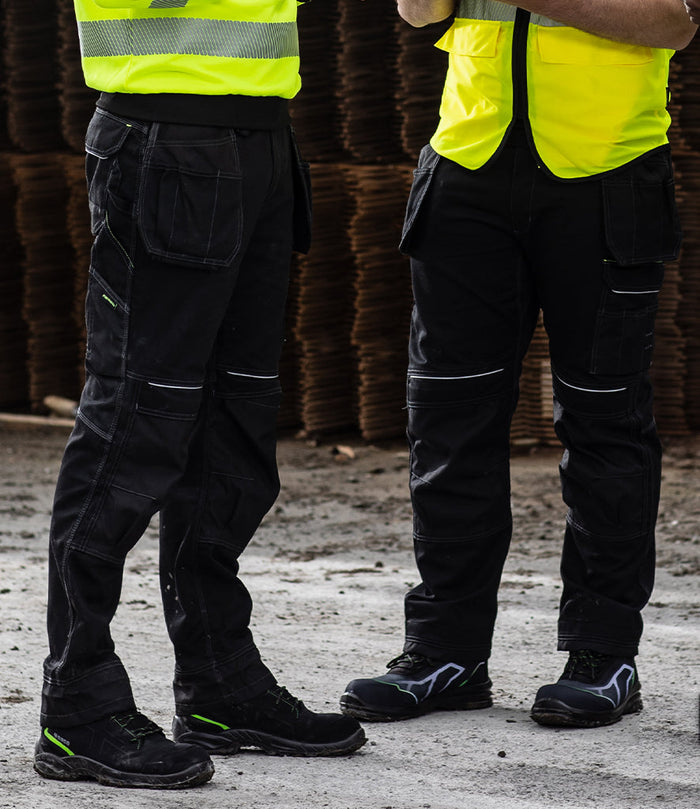
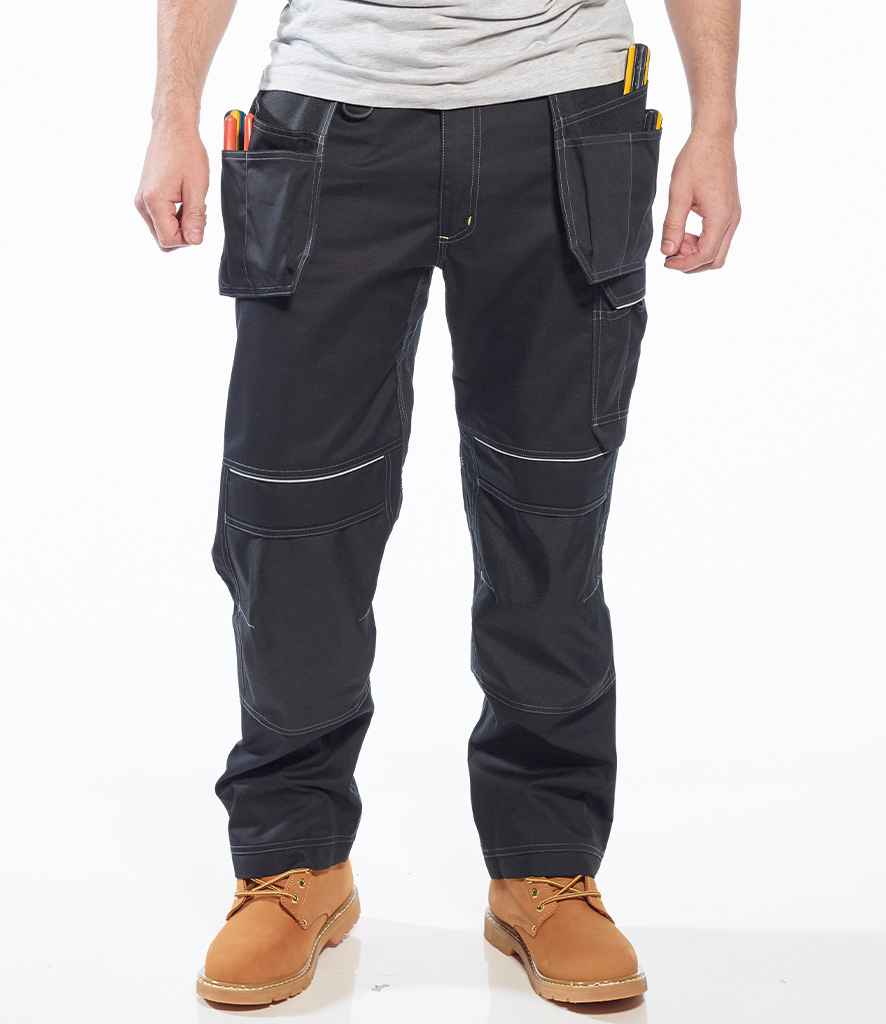
Choose trousers around the job
Pocket layout, movement, fabric and fit can matter more than appearance. Check the exact product specification rather than assuming every work trouser is designed for the same type of work.
Separate everyday uniform from specialist PPE
Do not treat general workwear and task-specific PPE as interchangeable. If a role needs certified protective equipment, select it according to the actual hazard and relevant requirements. The rest of the uniform can then be coordinated around those needs.
Plan embroidery and print around the garment
Logo position and decoration method should be assessed against the garment construction and intended use. Read our embroidery vs printing guide and logo setup guide before production.
Collect sizes before branding
Use the exact manufacturer's size information for each garment. Different styles can fit differently even when the label shows the same nominal size. For teams, use the team size collection sheet alongside our workwear sizing guide.
Standardise what you will reorder
Once the range is approved, record the manufacturer, product code, colour, sizes and branding specification. That record becomes the reference for new starters, replacements and future team growth.
Review the range before it becomes complicated
If several similar polos, sweatshirts or trousers have accumulated over time, simplify them into an approved core range where possible. Fewer approved styles can make sizing, stock continuity, branding and repeat ordering easier to manage.
Before placing a team order
- Roles and working environments mapped
- Core garments and layers agreed
- Any specialist PPE requirements handled separately
- Exact product codes and colours recorded
- Team sizes collected
- Branding approved before production
- Replacement and new-starter process agreed
Already buying workwear elsewhere? Our uniform switch service can help review the products or style codes you currently use.
Need a quote for a trades team?
Send us your current requirement, including wearer numbers, garment types, colours and branding.