Embroidery and printing can both create professional branded workwear, but they are not interchangeable. The better option depends on the garment, the artwork, the position being decorated and the finish you want your team to wear.
When embroidery works well
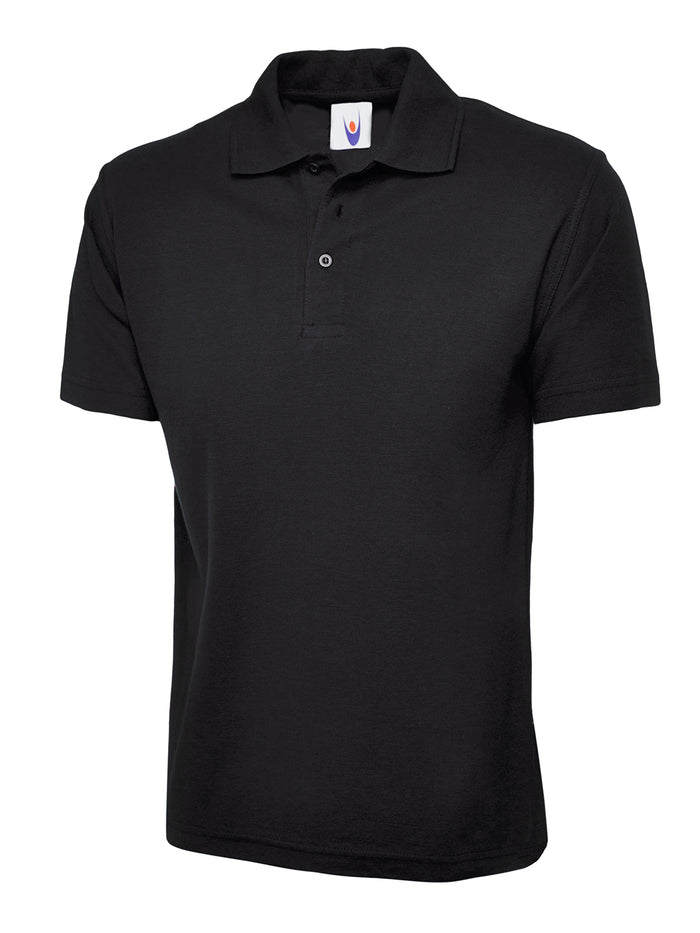
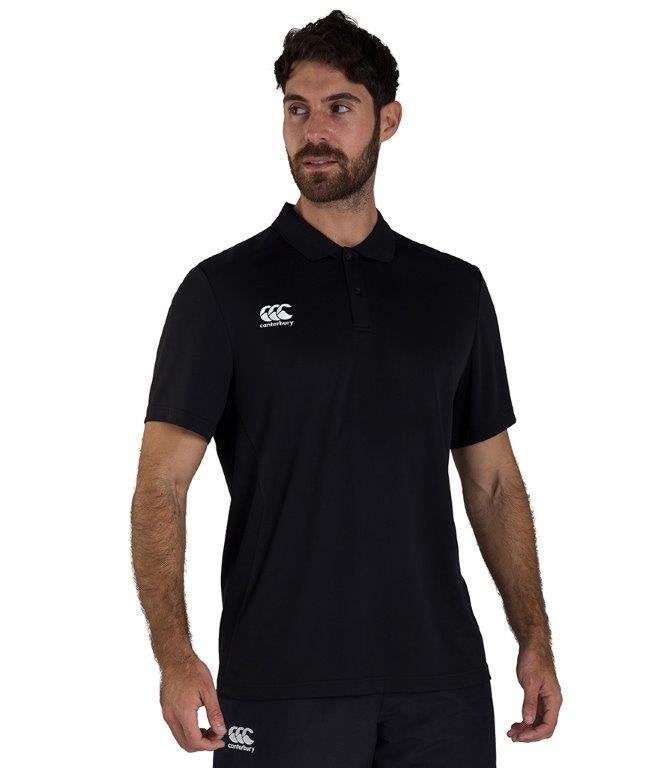
Embroidery creates a stitched logo or design and is commonly used on polos, shirts, sweatshirts, fleeces, jackets and other professional uniform garments. It gives a structured finish and works particularly well for chest logos, names and relatively compact designs.
Very fine detail, tiny lettering or large filled areas may need artwork adjustment before stitching. The garment itself also matters: fabric weight, stretch, seams, pockets and waterproof construction can influence the most suitable decoration position.
When printing works well
Printing is useful when the design is larger, contains detail that is better reproduced as a printed graphic, or needs to cover a bigger area such as the back of a T-shirt, sweatshirt or jacket. The most appropriate print method depends on the garment and artwork rather than a single method being right for every job.
Think about placement before ordering
Left chest, right chest, sleeve, back and other positions all create different results. A logo that works at a large size on the back may need a simplified version for a smaller chest position. Pockets, zips and garment panels can also restrict where a design can sit.
For a consistent team appearance, approve the position and approximate finished size before the full order is decorated.
Use the same specification for repeat orders
Repeatability is important for business uniforms. Keep the approved artwork, garment code, colour, decoration method and position together as one uniform specification. New-starter orders can then match the existing team rather than being recreated from scratch.
Which should you choose?
Choose based on the garment and the result you need rather than assuming embroidery is always more professional or print is always cheaper. A mixed uniform range can legitimately use embroidery on polos and fleeces while using print for larger graphics on T-shirts or outerwear.
Love My Uniform provides artwork and placement guidance for business uniform orders. Read more about our embroidery and print service, browse workwear and uniforms, or request a quote.
Prepare artwork that can be reproduced consistently
Supply the clearest vector artwork available and identify any exact brand colours. Small straplines, thin lines and gradients may need adjustment for a compact chest logo, while a large back design can preserve more detail. Ask for the intended finished size as well as the position so that the result can be repeated on later orders.
Check garment compatibility
Decoration should be matched to the fabric and construction. Lightweight stretch garments, waterproof layers, heavily textured fabrics and items with seams or pockets near the logo area may need a different position or method. If the range uses several garment types, approve each application rather than assuming one setup will transfer unchanged.
Questions to confirm before production
- Which garments and colours are being decorated?
- What is the exact logo position and finished size?
- Are names, departments or multiple logos required?
- Has the team confirmed sizes before branding begins?