Choosing uniforms for a team is different from buying individual workwear. The garments need to work across different roles, body shapes, working environments and repeat orders, while still presenting one consistent company identity.
Start with the job, not the garment
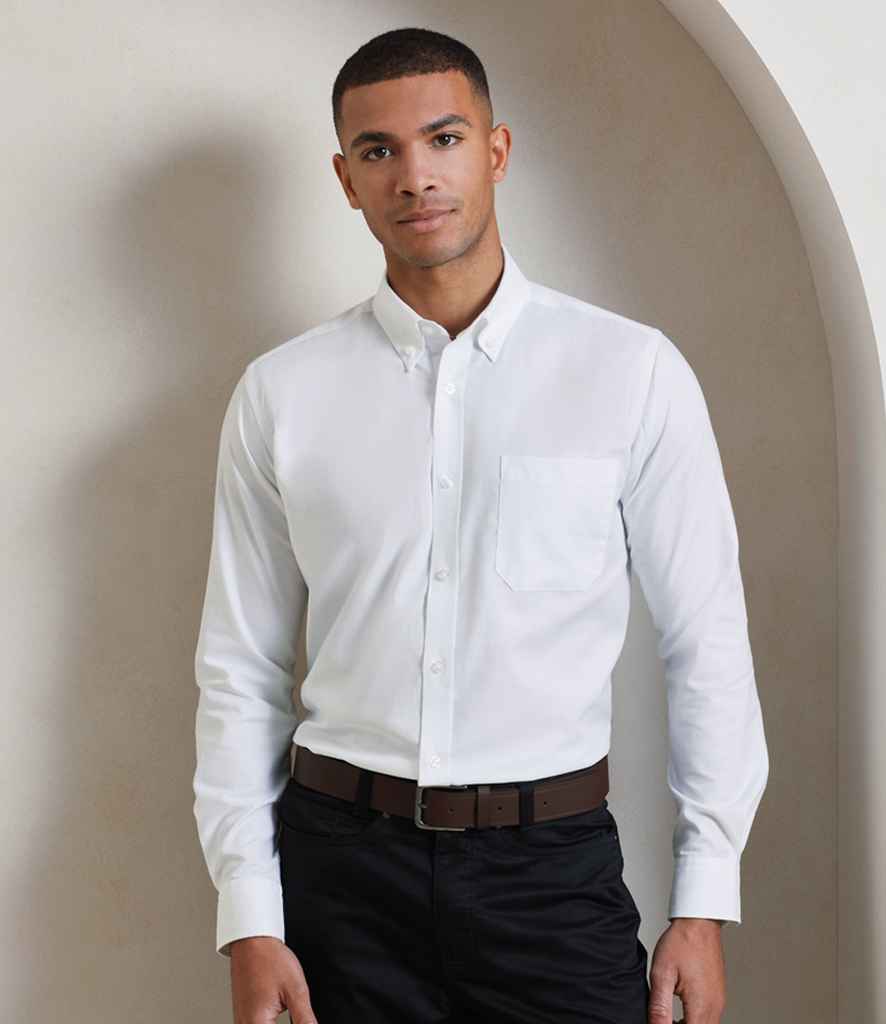
Begin by separating the team into roles. A front-of-house employee, warehouse operative, healthcare worker and office-based colleague may all need different garments even when they share the same brand colours. List what each role actually needs: freedom of movement, pockets, layering, easy-care fabrics, weather protection, smart presentation or higher-visibility clothing.
This prevents the common mistake of choosing one garment for everybody simply because it looks right in a catalogue.
Build a simple uniform system
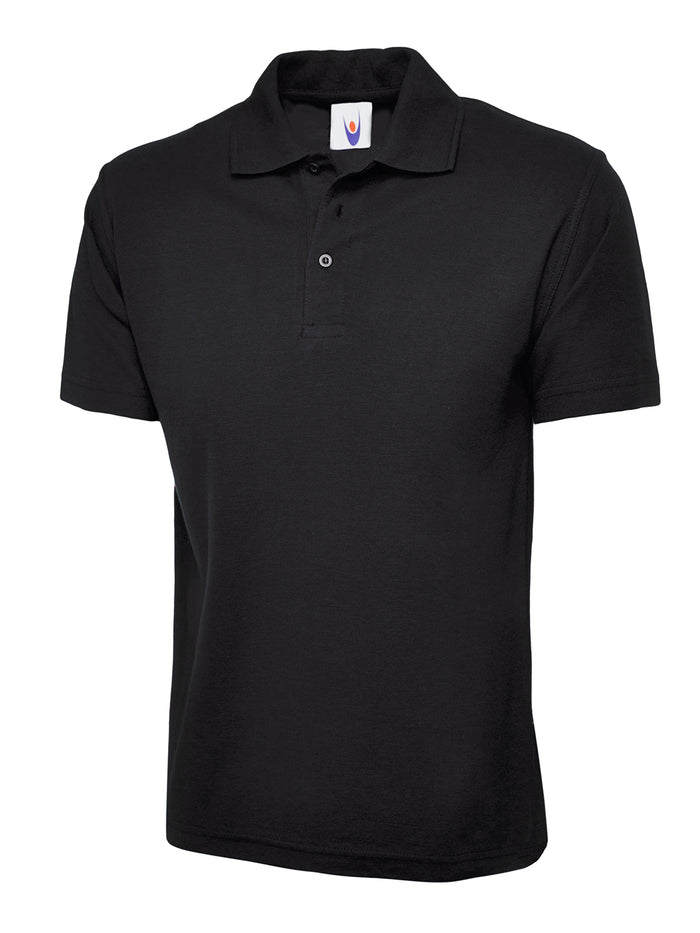
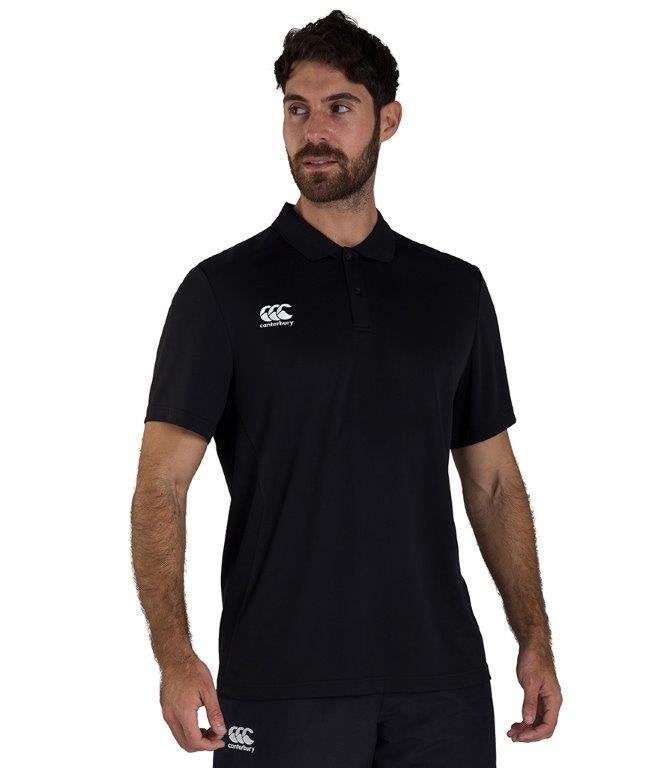
A practical uniform range normally works best when it is kept controlled. Choose a small number of core garments that can be reordered consistently, then add role-specific pieces where required. For example, a business may use the same branded polo across the whole organisation while adding fleeces, jackets, trousers or specialist garments for particular departments.
Keeping the range focused makes sizing, stock control and future repeat orders easier.
Check the size range before committing
Do not approve a garment until you know that the available size range works for the people who will wear it. Check whether the style extends into smaller and larger sizes, whether larger sizes carry a different price, and whether equivalent women's, men's or unisex options are available when required.
For larger teams, collecting sizes before the final order is usually more reliable than estimating quantities.
Choose colours that can be repeated
Brand colour matters, but availability matters too. A core uniform colour should ideally be offered consistently across the garments you plan to use and be suitable for repeat ordering. If departments need different colours, define that structure before artwork is approved.
Plan embroidery and print early
Logo size, placement and decoration method can affect which garment is most suitable. Embroidery is often selected for polos, shirts, fleeces and jackets where a durable professional finish is required. Print can suit larger artwork or garments where a stitched finish is not the preferred option.
Artwork should be reviewed before the order is finalised so placement and decoration remain consistent across the range. See our embroidery and print service for more information.
Think about repeat orders from day one
A uniform programme should still be easy to manage six or twelve months later. Record the approved garment codes, colours, logo positions and decoration details. This gives new starters and replacement orders a clear specification rather than relying on memory.
Need help building a team uniform?
Love My Uniform supplies professional uniforms, workwear and branded clothing to organisations across the UK. Browse our workwear and uniform range or request a business uniform quote for help selecting garments for your team.
Use an approval checklist before placing the order
Before quantities are confirmed, ask one person to approve the final garment list. The approval should cover the exact product code, colour, size range, logo artwork, branding position, wearer names where needed and the delivery location. This simple check prevents a quote, sample and purchase order from referring to slightly different specifications.
- Confirm each role and its approved garments.
- Check the manufacturer size guide for every style.
- Approve a sample or visual where the order justifies it.
- Record who can authorise future substitutions.
Compare whole-programme cost
Unit price is only one part of uniform cost. Also consider garment life, sizing errors, replacement availability, staff time, repeated artwork setup and the cost of managing many similar products. A controlled range that can be reordered reliably is often better value than the lowest-priced garment on the first order.