Choosing a uniform supplier is not just about finding the lowest garment price. The supplier needs to get the first order right, but they also need to make future orders, new starters and replacements straightforward.
1. Can the range be reordered?
Ask what happens when you need another 10, 20 or 50 garments next year. Check whether the core styles and colours are intended for ongoing supply rather than short-term or clearance stock.
2. Will you know exactly what was ordered?
Keep the brand, product code, colour and branding specification. This makes repeat orders far easier and reduces the risk of receiving a slightly different garment later.
3. How is branding priced?
Ask whether embroidery or print is charged per garment, by quantity or by logo position, and whether artwork or setup charges apply.
4. Is embroidery or print right for your logo?
The correct method depends on the garment and artwork. Read our embroidery vs printing guide.
5. How will sizing be handled?
Manufacturer sizing varies. Ask how the supplier helps reduce sizing mistakes before garments are branded. Our team sizing guide explains the basics.
6. Can they supply the whole team?
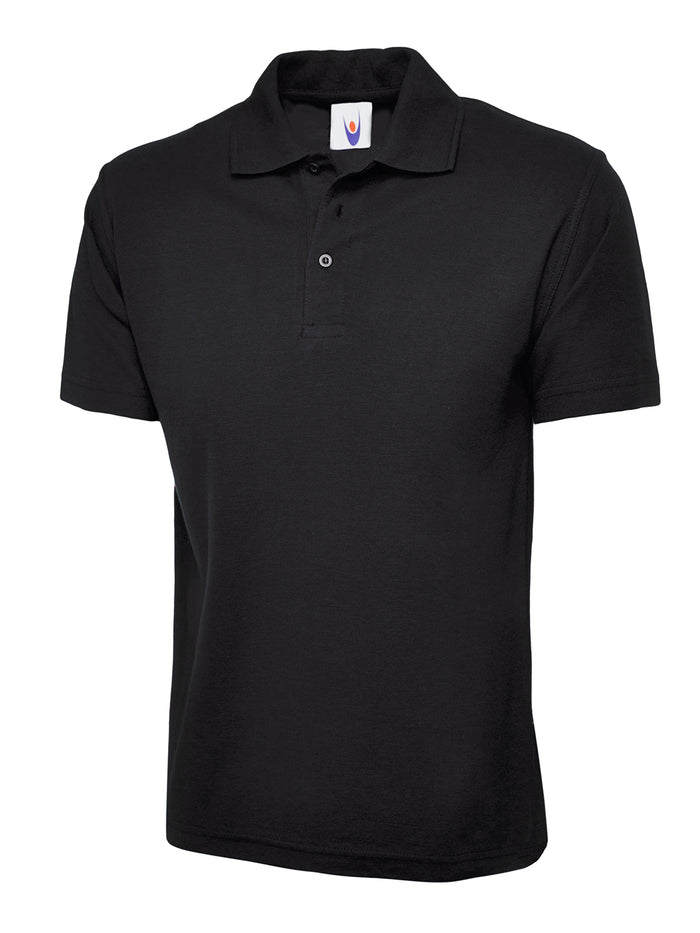
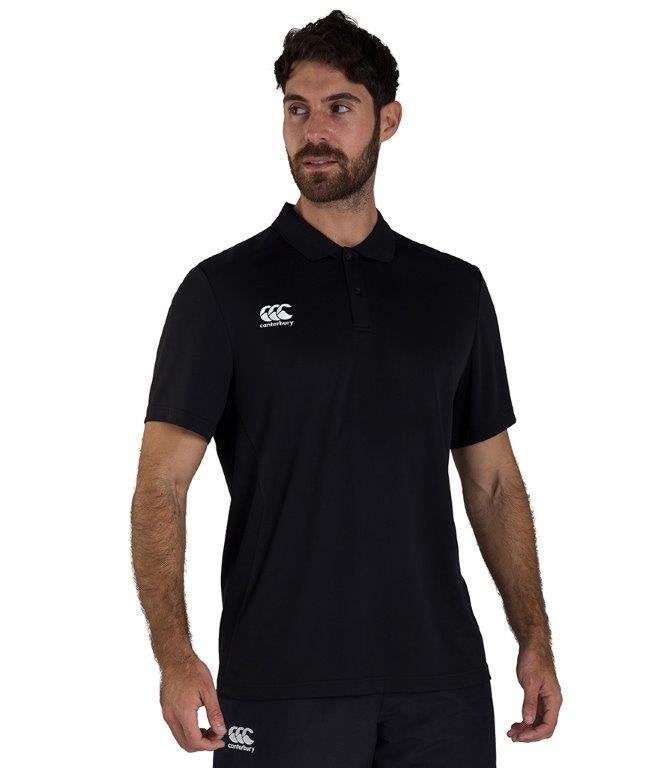
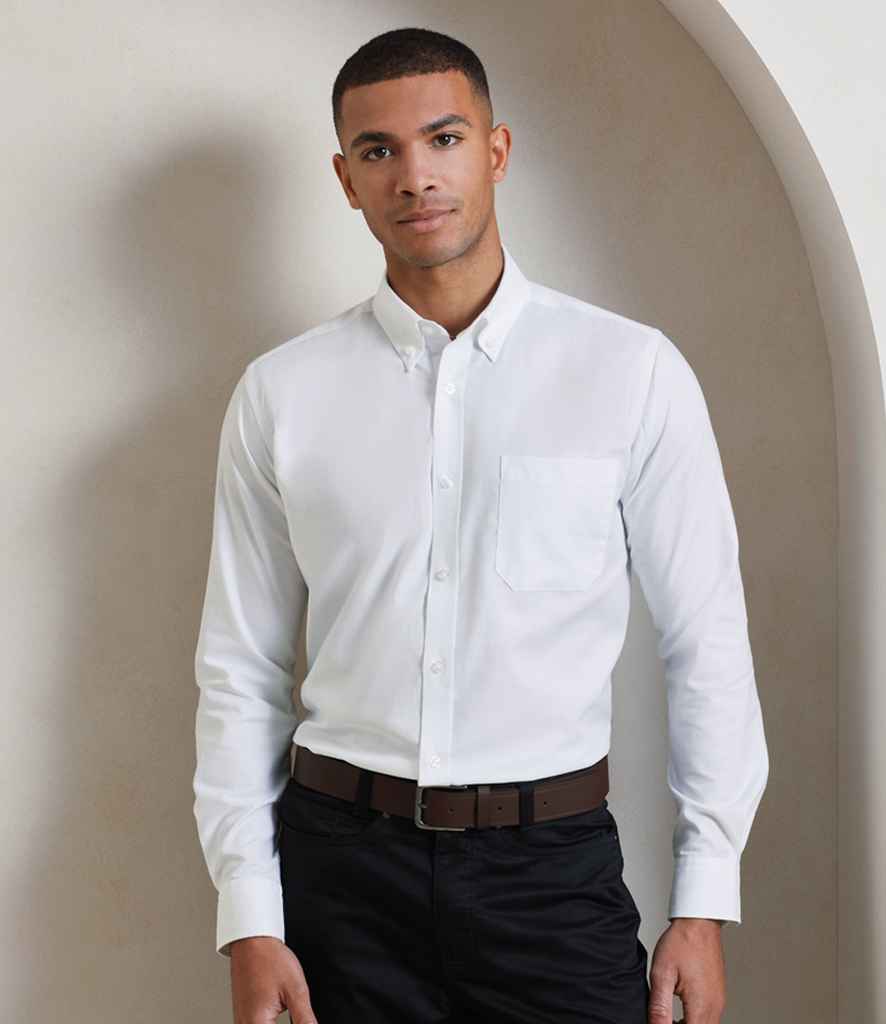
Check size ranges, fits, colours and companion garments before approving a core style. A good uniform range needs to work for the workforce, not just look good on one sample.
7. Are quotes genuinely like for like?
Compare the exact garment, branding method, quantity, delivery and VAT. A headline garment price alone is not a fair comparison. See our branded workwear cost guide.
8. What happens with new starters?
Ask how smaller repeat requirements will be handled after the initial order. This is often where a uniform programme becomes difficult to manage.
9. What happens if a garment is discontinued?
A supplier should be able to identify a sensible replacement rather than leaving you to start the buying process again.
10. What are the delivery arrangements?
Check delivery charges, expected lead times and whether branding changes the timescale.
11. Can you compare your current range without redesigning it?
If you are considering changing supplier, you may only need a like-for-like review. Love My Uniform's Uniform Switch Service is designed for businesses that want to compare their existing range.
12. Is the supplier suitable for your order size?
A supplier geared towards individual retail orders may not be the right fit for a large team, while a supplier focused only on very large contracts may make smaller replenishment orders difficult. Ask how both the initial requirement and ongoing orders will be managed.
Compare your current uniform supply
If you already have a uniform range, send us the garment details, quantities and branding requirements. We can review it without forcing you to redesign everything. Request a business quote.