Knowledge Hub

How to Compare Uniform Quotes Properly: A Buyer Checklist

5 September 20262 min read
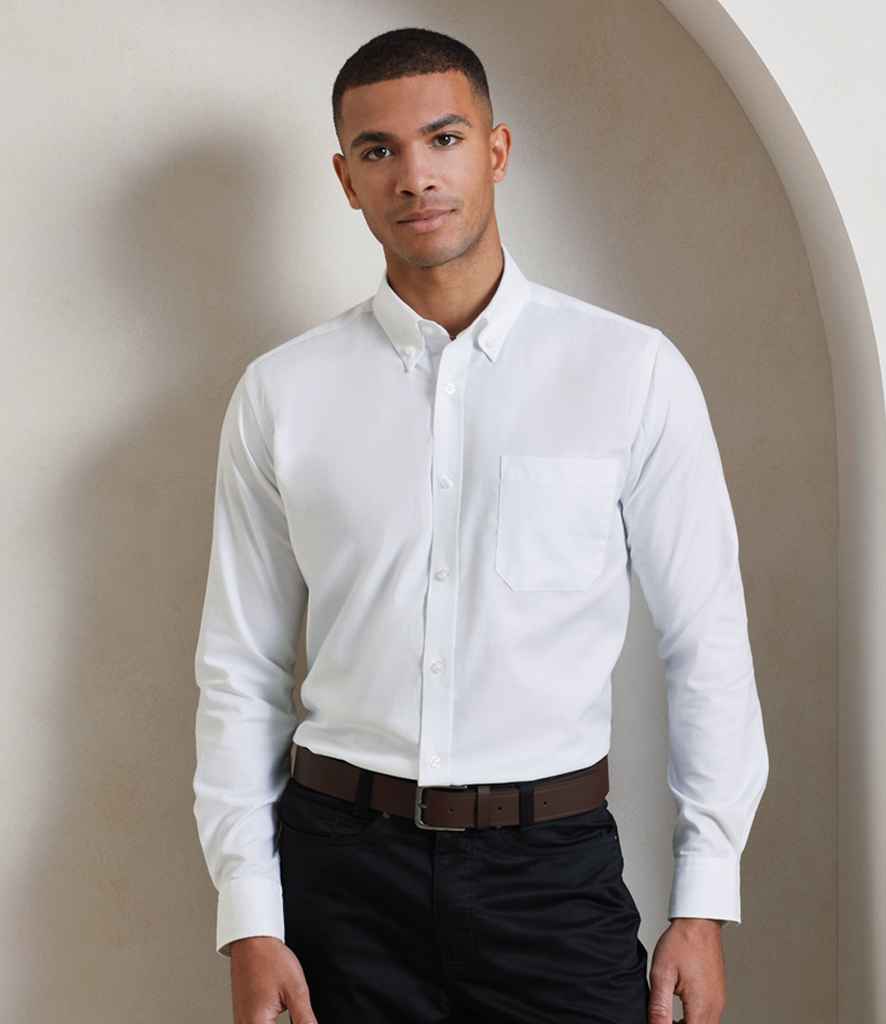
Professional uniform model for uniform quote comparison guide

Two uniform quotes can look similar while covering different garments, branding and services. Comparing the bottom-line total alone can lead to the wrong decision.

1. Match the exact garment

Compare brand, product code, colour and fabric. If one supplier has substituted an alternative, ask why and compare the specification rather than treating it as the same product.

2. Match the quantities

Check quantities by garment and size. Decoration pricing can change with volume, so a small quantity difference can alter the unit cost.

3. Separate garment and branding costs

Understand what you are paying for the garment and what you are paying for embroidery or print. Ask whether the quote includes artwork or logo setup charges.

4. Compare the same branding specification

Logo size, position, number of colours and decoration method matter. A left-chest embroidery quote should not be compared directly with a larger printed logo without recognising the difference.

5. Check VAT and delivery

Make sure totals are either all ex-VAT or all inc-VAT and check delivery separately. Read our branded workwear cost guide for the other costs to consider.

6. Check what happens next year

The first order is only part of the cost. Ask whether the garment range is intended for ongoing supply and what happens with replacements and new starters.

7. Check sizing support

Incorrect branded sizes can be expensive. Ask how sizing is handled before decoration. See our team sizing guide.

8. Compare service as well as price

Consider how easy it will be to reorder, add new employees, reproduce branding consistently and resolve a discontinued garment.

Use a simple scorecard

Give each supplier a score for garment suitability, total cost, branding clarity, sizing process, continuity, repeat-order process and communication. A slightly cheaper first order may not be cheaper to manage over the life of the uniform range.

You can use our free Uniform Supplier Comparison Checklist to structure the review.

Want a like-for-like comparison?

Love My Uniform can review an existing specification without forcing a redesign. See the Uniform Switch Service or request a business quote.
Need help with your uniform order?

Tell us what you need, the approximate quantities and any branding requirements. We can help you compare the right garments for your team.

Request a Business Quote
← Back to Knowledge Hub

See it in practice

Uniform ideas related to this guide

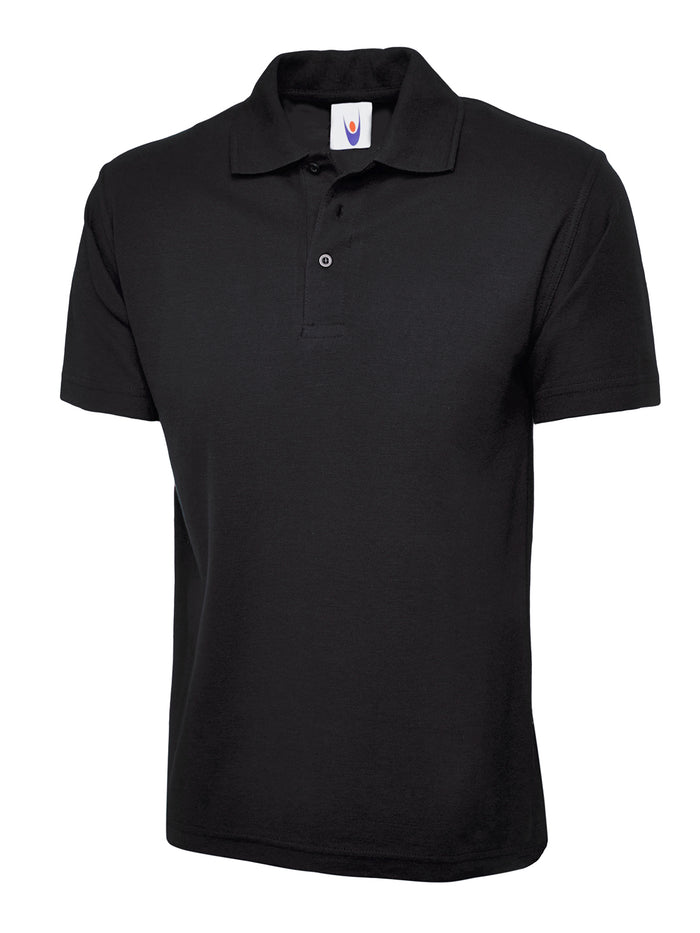
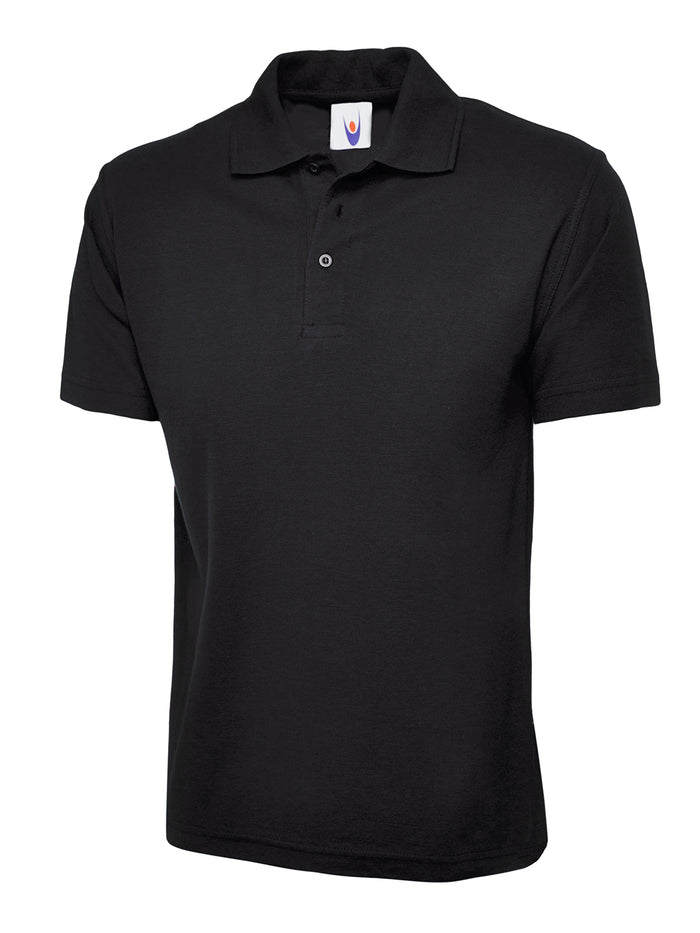
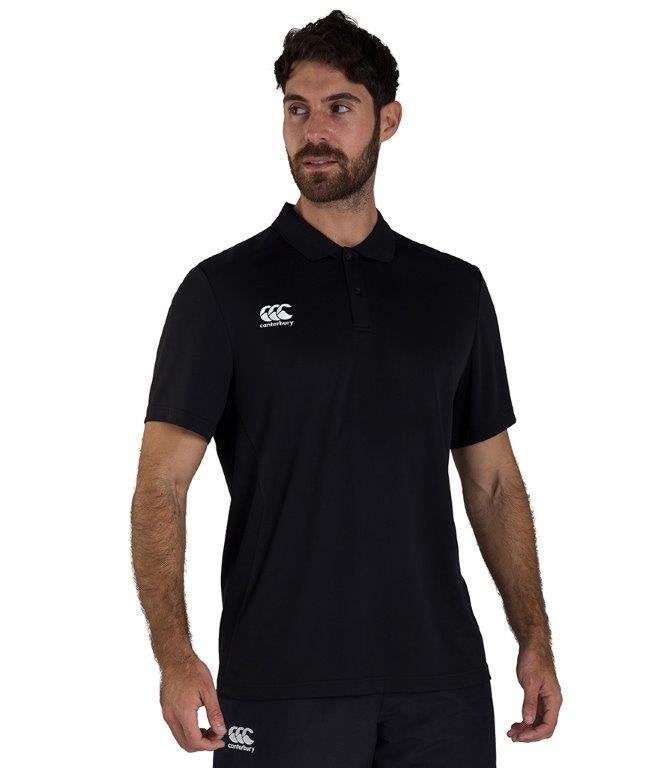
A few real garments from the Love My Uniform range to help make the guidance easier to picture.

View Polo Shirts →

Keep the final choice controlled. Once a garment works, record the manufacturer, product code, colour, size and branding position so future orders reproduce the same uniform rather than starting again.

LMU buyer tip: Keep the garment code, manufacturer colour, confirmed size, branding position and approved artwork together as one specification. It makes replacements and new-starter orders much easier to reproduce.

Questions buyers often ask

What information should we keep after the first order?

Keep product codes, manufacturer colours, confirmed sizes, branding specifications and approved alternatives. This turns future requirements into reorders rather than new sourcing projects.

When are samples useful?

Samples are particularly useful when fit, fabric, colour or garment construction is unfamiliar, or where a larger rollout would make a wrong decision expensive.

How many products should a core range contain?

Keep the approved range as short as the roles allow. Add a new garment because it solves a real need, not simply because another similar option exists.

Normalise quotes before comparing them

Two uniform quotes are only comparable when they describe the same requirement. Create one specification and ask each supplier to price against it.

  • Same garment manufacturer and style code, or clearly identified alternatives.
  • Same quantities and size mix.
  • Same number of branding positions and decoration method.
  • Same personalisation requirements.
  • Same delivery assumptions.
  • Same VAT basis.
  • Any artwork, setup or origination charges shown separately.

Open the LMU Uniform Supplier Comparison Checklist.