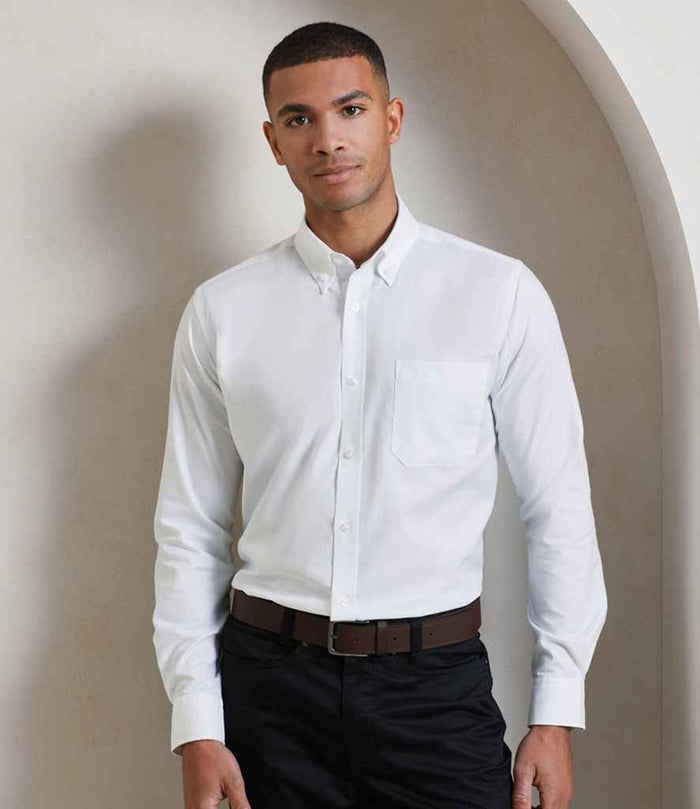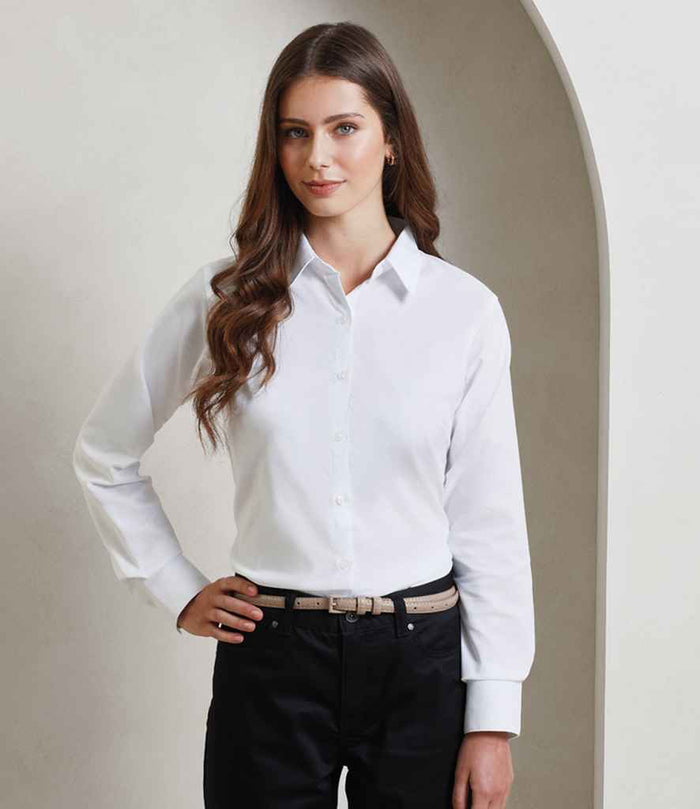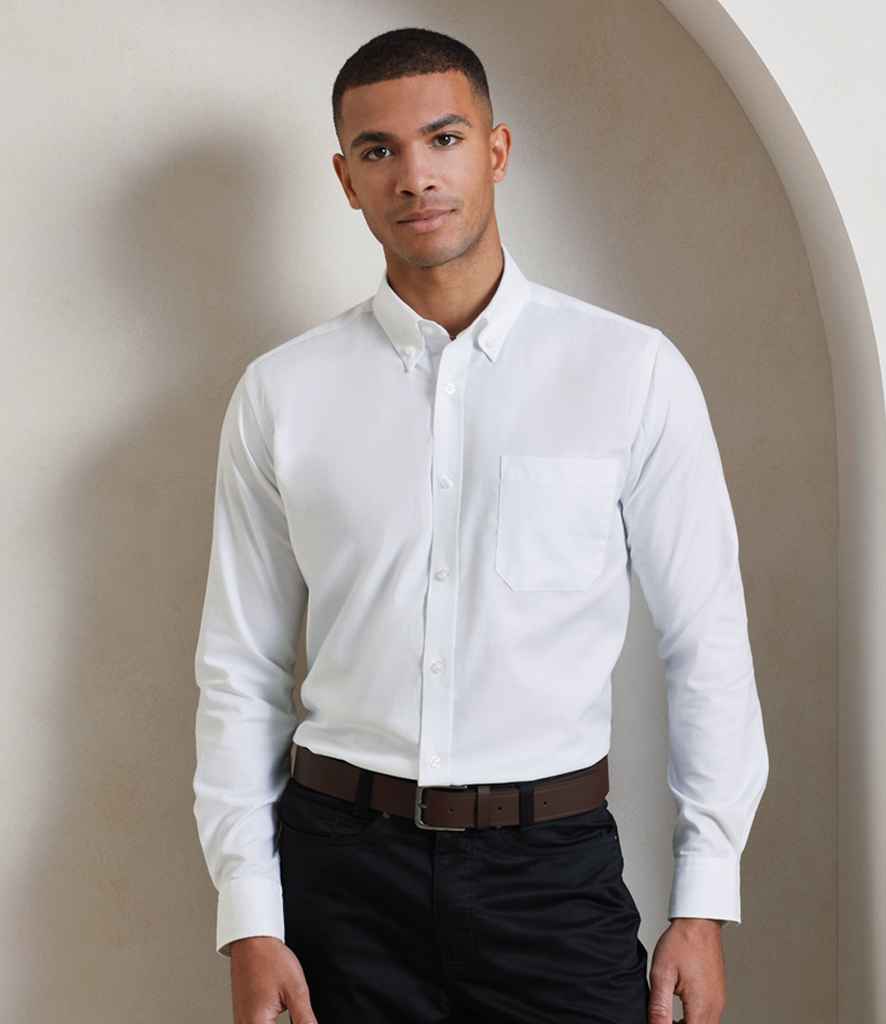
Businesswear works best when it is treated as a small, controlled wardrobe rather than a collection of unrelated garments. The aim is to give staff enough choice for different roles and working conditions while keeping the organisation recognisably consistent.
Define the dress level first
Decide whether the team needs formal businesswear, smart-casual clothing or a combination. Reception and client-facing roles may need shirts, blouses or knitwear, while operational office teams may be better served by polos and practical layers.
Use a core colour palette
Choose a small number of colours that work with the organisation's brand and are available across the garments you intend to use. Colour consistency becomes more important when shirts, polos, knitwear and outer layers are worn together.
Create a core range, then controlled choices
A practical programme might specify a core top, an optional warmer layer and an agreed outer garment. Giving staff a controlled choice of approved garments can improve suitability without allowing the range to become difficult to manage.
Check men's, women's and unisex fits
Do not assume the same labelled size will fit identically across different garments. Use the size guide for each exact style and, for larger teams, consider samples before the final order. See our team sizing guide and size collection sheet.
Decide where branding adds value
Not every item necessarily needs the same decoration. A chest logo may work across polos, shirts and knitwear, while some garments may be better left plain. Agree the logo size, position and method before ordering. Our logo setup guide explains what to prepare.
Plan for layers
If employees wear shirts or polos underneath knitwear, fleeces or jackets, check that the approved garments work together in colour and fit. This avoids staff adding unrelated layers that weaken the uniform look.
Make repeat ordering part of the decision
Record manufacturer, style code, colour and branding details for every approved garment. When a new starter joins or a garment needs replacing, the business should be able to reorder without starting the selection process again.
A simple businesswear approval checklist
- Dress level agreed for each role
- Core colours approved
- Exact garment codes recorded
- Size process agreed
- Logo position and decoration agreed
- Layering garments checked together
- New-starter and replacement process documented
If you are comparing suppliers as part of the process, use our uniform supplier comparison checklist or read 12 questions to ask a uniform supplier.
Need help creating a coordinated staff range?
Request a business quote and tell Love My Uniform about your team, roles, preferred colours and branding requirements.