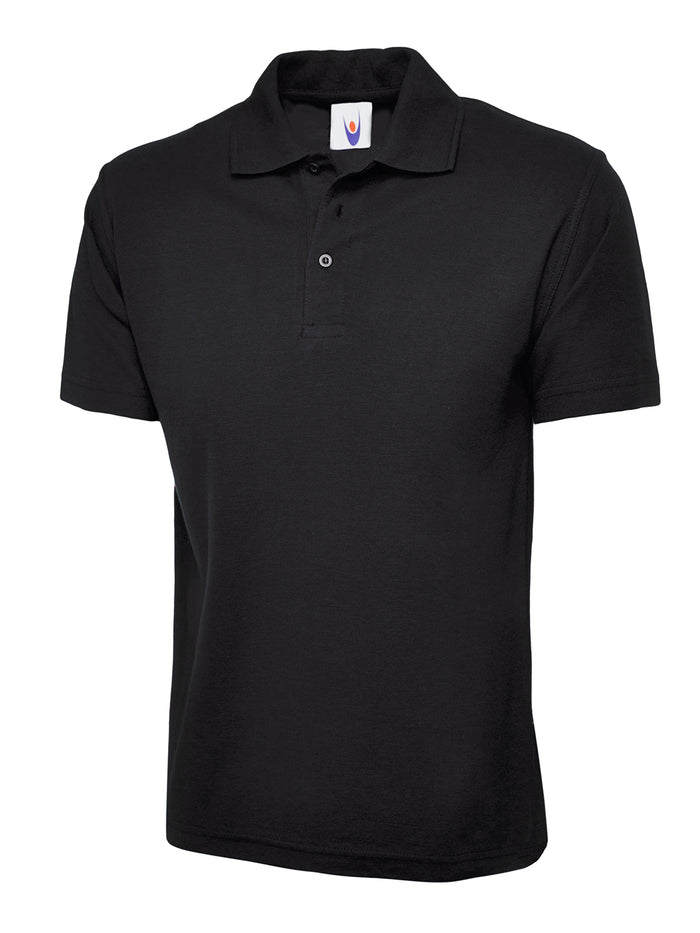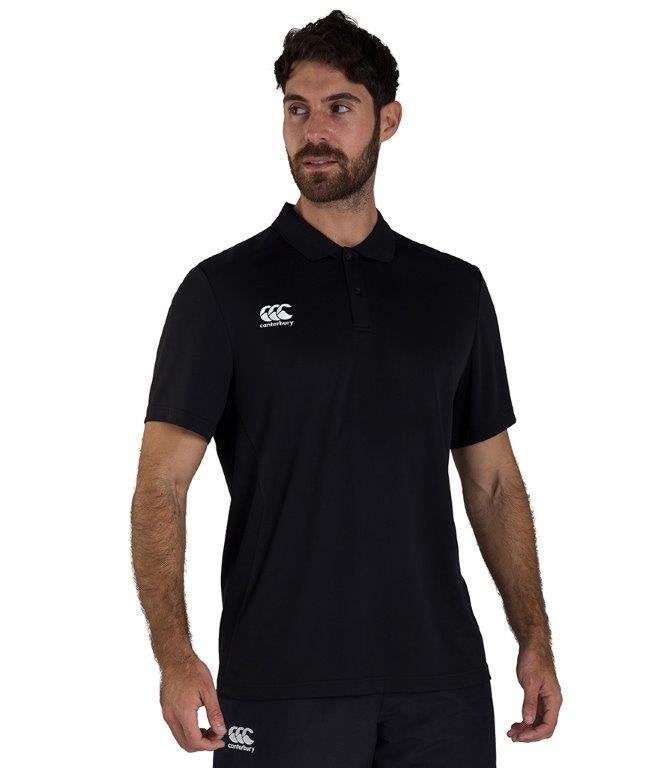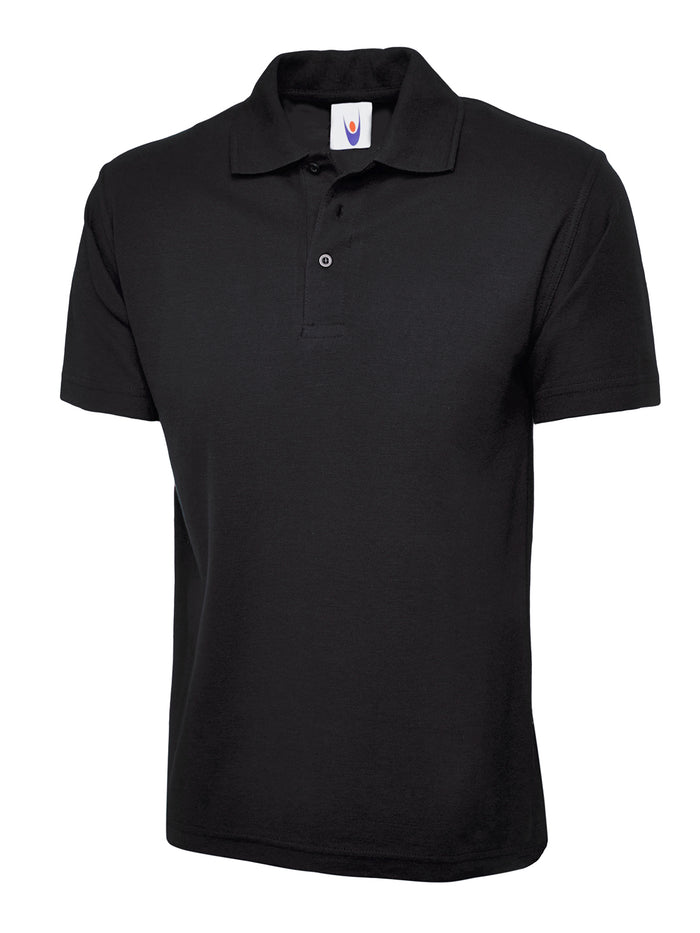
New starters are where poorly managed uniform ranges become obvious. If nobody knows the approved garment, colour, size process or branding specification, every new employee creates another small sourcing job.
1. Confirm the employee's role
Start with the garments required for that role rather than issuing the same pack to everyone. Different departments can have different working conditions, appearance requirements and layers.
2. Use the approved garment list
Record the brand, style code and colour for each approved item. Avoid ordering whatever looks closest at the time unless an agreed replacement is needed.
3. Collect the correct sizes
Do not rely on a person's usual high-street size. Use the manufacturer's size information for the exact garment and check whether it uses body or finished-garment measurements. See our Workwear Sizing Guide for Team Orders.
For a team, use the Team Uniform Size Collection Sheet to record the exact product code and confirmed size for each wearer before decoration.
4. Confirm the garment allowance
Decide how many polos, trousers, sweatshirts, fleeces or jackets the role receives. The right number depends on wear frequency and laundering. Our uniform quantity guide explains how to calculate it.
5. Check personalisation
If the uniform includes an employee name, department or job title, confirm the exact spelling before ordering. Do not copy names from informal notes where errors can easily be introduced.
6. Use the approved logo specification
Keep the correct logo artwork, decoration method, position and colours on record so a new starter's garments match the existing team.
7. Record what was issued
Keep a simple record of garment codes, sizes and quantities supplied. This makes replacements and future ordering much easier and helps stop slightly different garments entering the range over time.
8. Have a replacement process
Decide how worn, damaged or incorrectly sized garments are handled and who can authorise replacements. This prevents emergency orders becoming the normal process.
9. Keep manufacturer size guides with the approved range
When a product is approved, keep the current manufacturer size guide alongside its product code. If the garment changes, size again rather than automatically transferring the old size to the replacement style.
10. Review the range when problems repeat
If the same garment regularly causes sizing, durability or availability problems, review that item rather than repeatedly working around it.
Make new-starter orders repeatable
The goal is simple: once a uniform range has been approved, supplying the next employee should be an administrative task, not a new purchasing project. You can also use our New Starter Uniform Checklist as a reusable internal checklist.
If your existing supplier makes replenishment difficult, read our guide on changing uniform supplier or use our Uniform Switch Service.