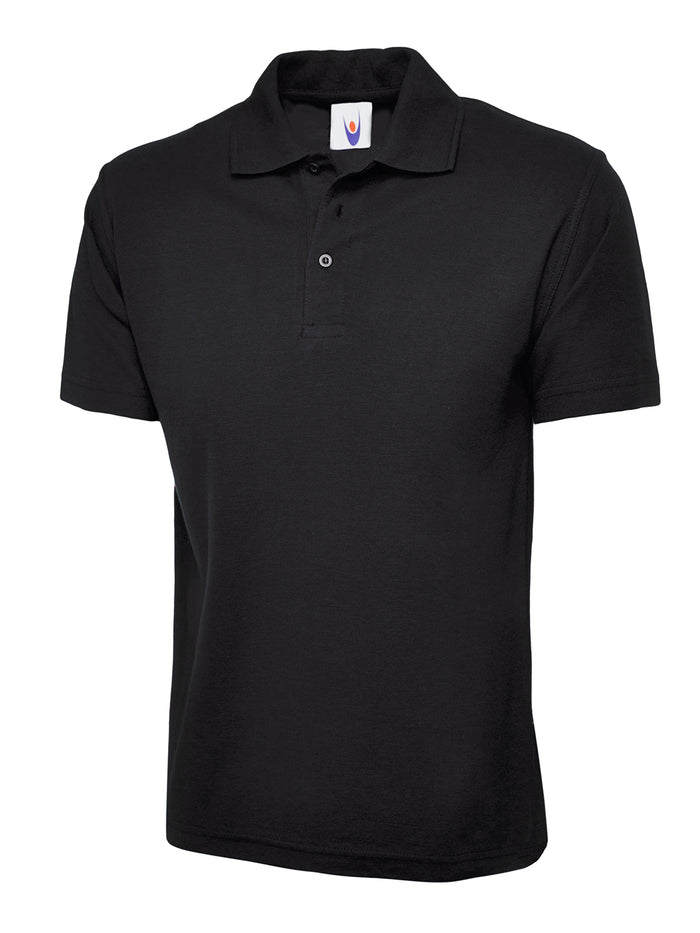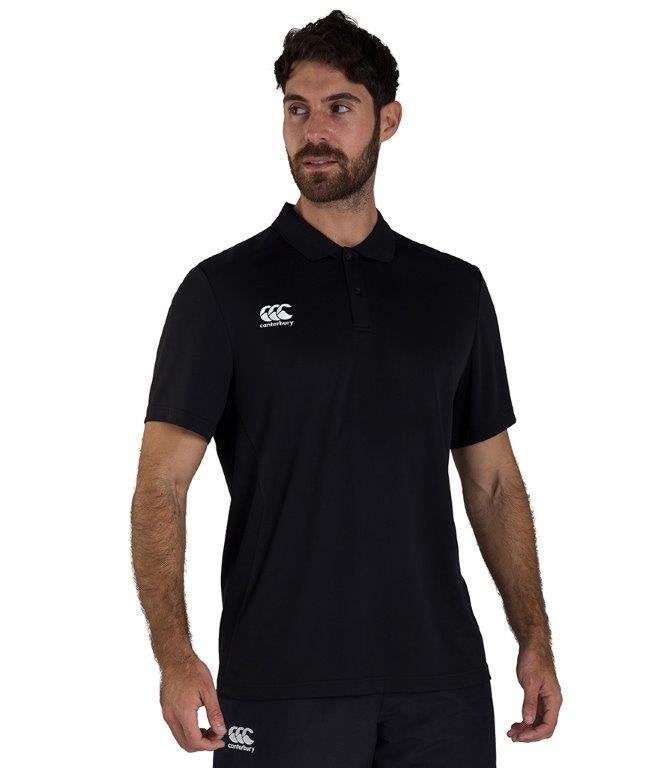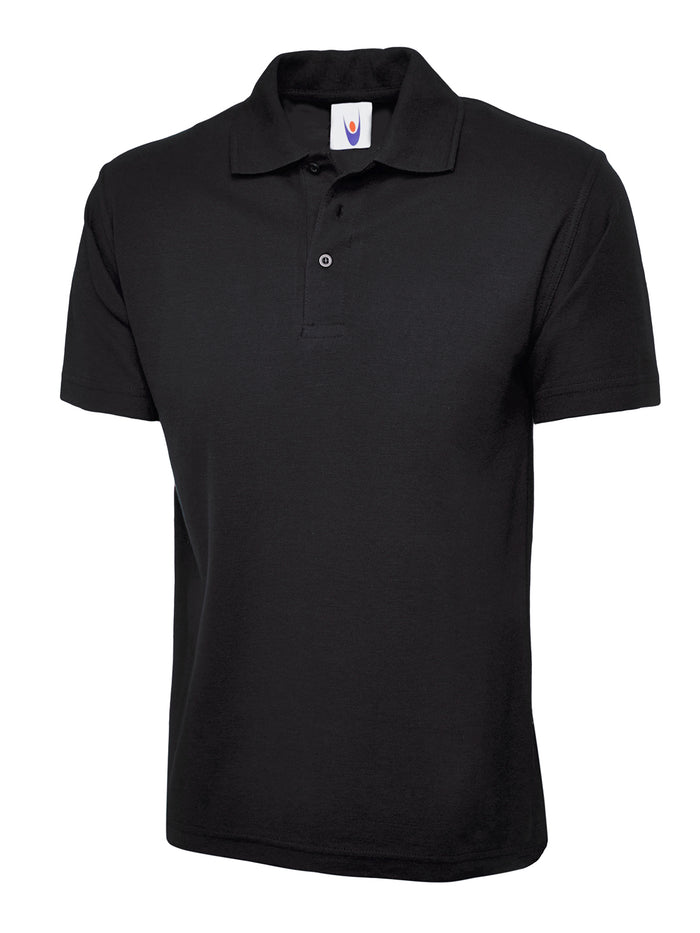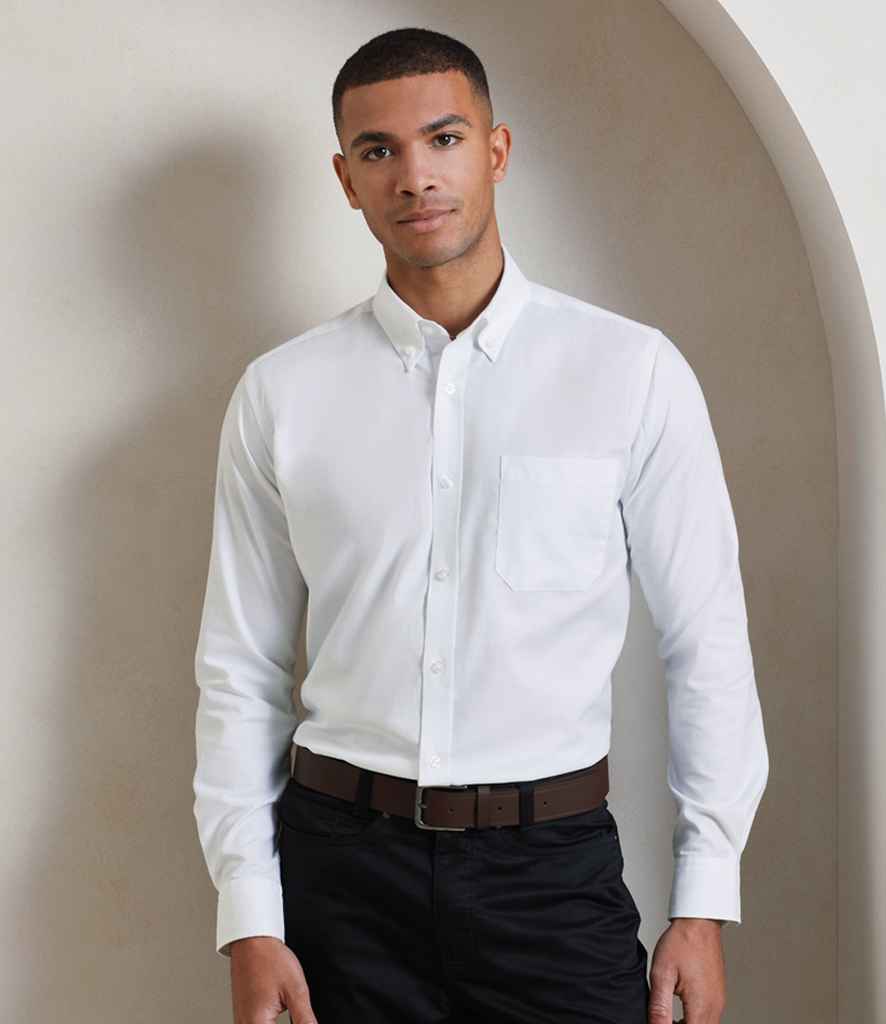
Changing uniform supplier does not have to mean redesigning your uniform. For many businesses, the safest approach is to document what already works, identify what does not, and compare the existing requirement before making changes.
Step 1: Record your current garments
List the brand, product code, colour and sizes for every garment currently in use. Photographs are useful, but product codes are much more reliable when comparing exact or equivalent products.
Step 2: Record the branding specification
Note whether each logo is embroidered or printed, its position, approximate size and the artwork used. Include department names, individual names or other variations.
Step 3: Build a realistic quantity
Separate the initial requirement from expected new-starter and replacement orders. Our guide to uniform quantities per employee can help with planning.
Step 4: Decide what actually needs changing
Do not replace a garment simply because you are replacing the supplier. Keep products that work well where they remain available. Change styles where there is a clear reason such as poor fit, availability, durability, colour choice or cost.
Step 5: Compare like for like first
Ask the new supplier to price the existing specification before considering alternatives. This gives you a genuine baseline. Our workwear cost guide explains what should be included in the comparison.
Step 6: Check sizing before branding
If any garment changes, do not assume the old size translates directly to the new style. Check the manufacturer's size guide and use samples or wearer trials where appropriate.
Step 7: Approve branding carefully
Changing garment fabric or construction can affect how a logo reproduces. Confirm the branding method and placement before the main order goes into production.
Step 8: Plan the transition
You do not always need to replace every existing garment at once. Where appearance remains consistent, new stock can sometimes be introduced as old stock reaches replacement. This avoids unnecessary waste and cost.
Step 9: Keep the new specification
Once approved, record the exact garment codes, colours, branding details and agreed alternatives. Future orders should then be a replenishment exercise rather than another sourcing project.
Use the Uniform Switch Service
Love My Uniform can review an existing business uniform range and compare suitable garments and branding on a like-for-like basis. See the Uniform Switch Service or request a quote.