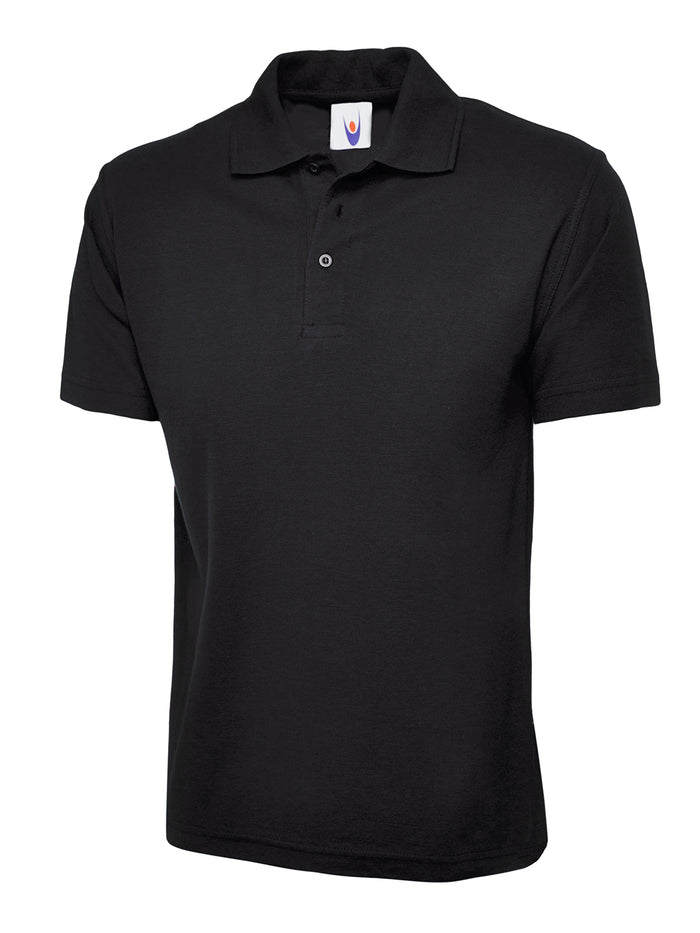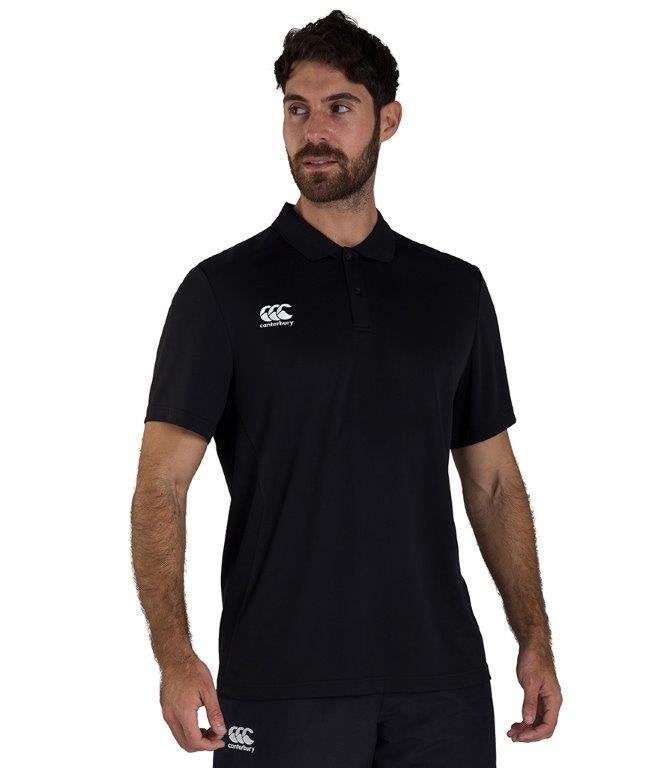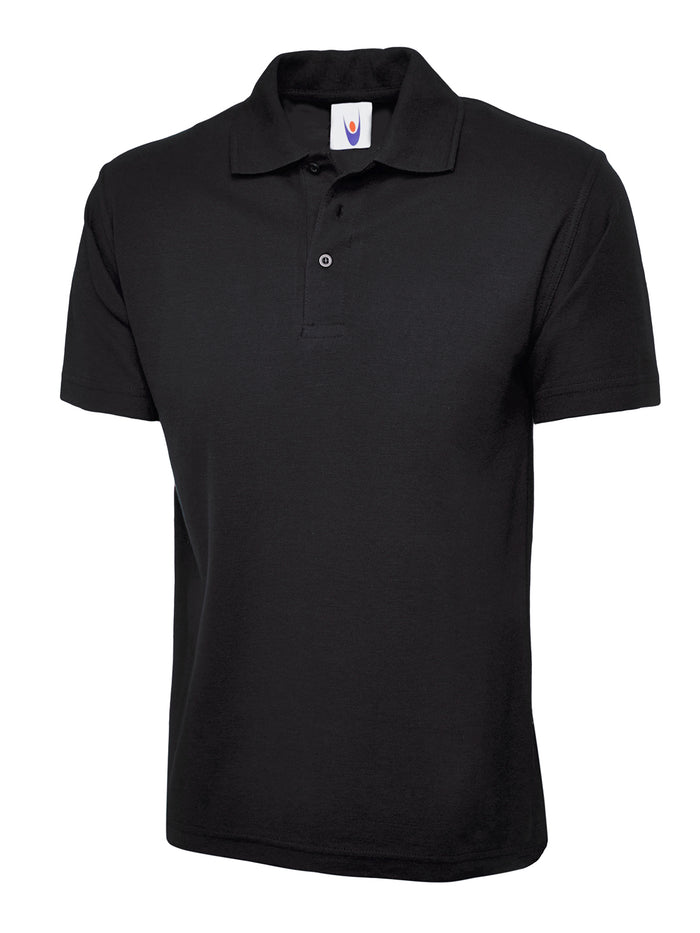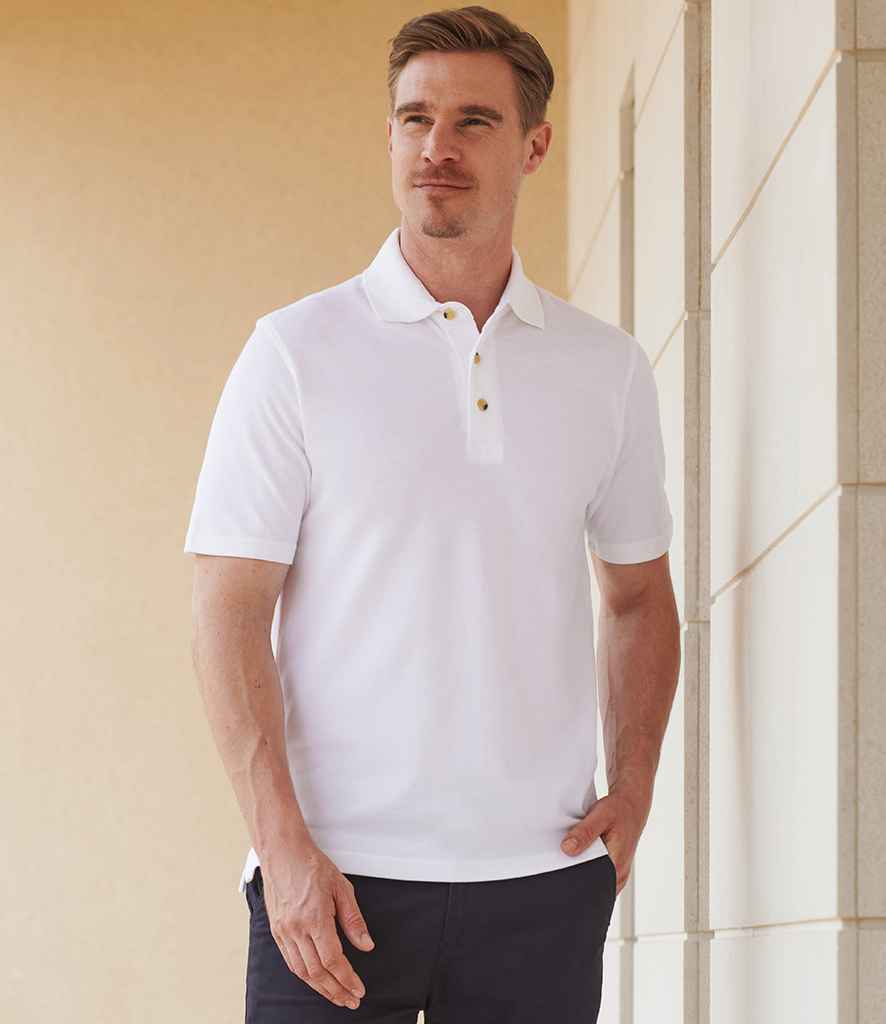
Henbury has several polo shirts that can work well as staff uniform, but they are built for different priorities. This comparison uses the current specifications held in the Love My Uniform catalogue for the H100, H400 and H465.
Quick comparison
| Style | Fabric | Weight | Useful when... |
|---|---|---|---|
| H100 Classic Heavy Cotton Piqué Polo | 100% cotton* | 225 gsm | You want a substantial traditional cotton polo |
| H400 Heavy Poly/Cotton Piqué Polo | 65% polyester / 35% cotton | 200 gsm | You want a work-focused poly/cotton option with a 60°C wash specification |
| H465 Recycled Polyester Piqué Polo | 100% recycled polyester | 200 gsm | You want quick-drying, wicking fabric with recycled-content evidence in the supplied specification |
*The H100 catalogue specification notes 100% cotton; check the live product options for any colour-specific fabric variation.
H100: traditional heavy cotton
The H100 is the heaviest of these three at 225 gsm. Its specification includes a ribbed stand-up collar, three-button placket, side vents and twin-needle stitching. It is a straightforward choice where the feel of a heavier cotton polo is the priority.
H400: practical poly/cotton work polo
The H400 uses a 65/35 polyester-cotton blend at 200 gsm. Its current specification includes reinforced shoulder seams, ribbed cuffed sleeves and a 60°C wash. That makes it worth considering for teams where laundering practicality matters.
H465: recycled polyester and moisture management
The H465 is 200 gsm recycled polyester. The current specification describes quick-drying fabric with wicking properties, a regular fit and recycled-material construction. It can suit active teams or working environments where moisture management is useful.
What about sizing?
Do not assume the same nominal size will fit identically across different Henbury polo styles. Check the Henbury manufacturer size guide against the exact product and, for a larger team, record the approved product code and size for each wearer. Our Workwear Sizing Guide for Team Orders explains the process and our Team Uniform Size Collection Sheet gives you a simple way to record it.
Which is best for embroidery?
All three are currently listed by LMU as suitable for business embroidery and print subject to artwork and garment assessment. The best choice should therefore start with the wearer's working conditions, laundering, preferred fabric and fit rather than choosing a polo purely because a logo will be added.
For more help, read our guide to choosing polos for embroidery and our logo setup guide.
Buying for a team?
If you are comparing polos for a larger staff requirement, request a business quote and tell us what matters most: fabric, washing, colour, fit, branding or repeat ordering.