A good hospitality uniform needs to do two jobs at once: help the team look consistent in front of customers and remain practical for the work each person actually does. The mistake is trying to put every role into the same garment.
Start with the roles, not the catalogue
List the people who need uniform before choosing products. A restaurant, hotel or catering team might include front of house, bar staff, kitchen staff, housekeeping, supervisors and managers. Each role can have different requirements for movement, heat, pockets, laundering and presentation.
Build one visual identity across different garments
Consistency does not mean identical clothing. A shared colour palette and repeatable branding can connect polos, shirts, aprons, chefwear, knitwear and outer layers while still giving each role an appropriate garment.
Front of house
For customer-facing teams, consider how the uniform looks throughout a full shift, whether staff need layers, how easily garments can be laundered and whether the range includes the sizes and fits needed across the team. Shirts, blouses, polos, knitwear and aprons can all form part of a coordinated range.
Kitchen and catering teams
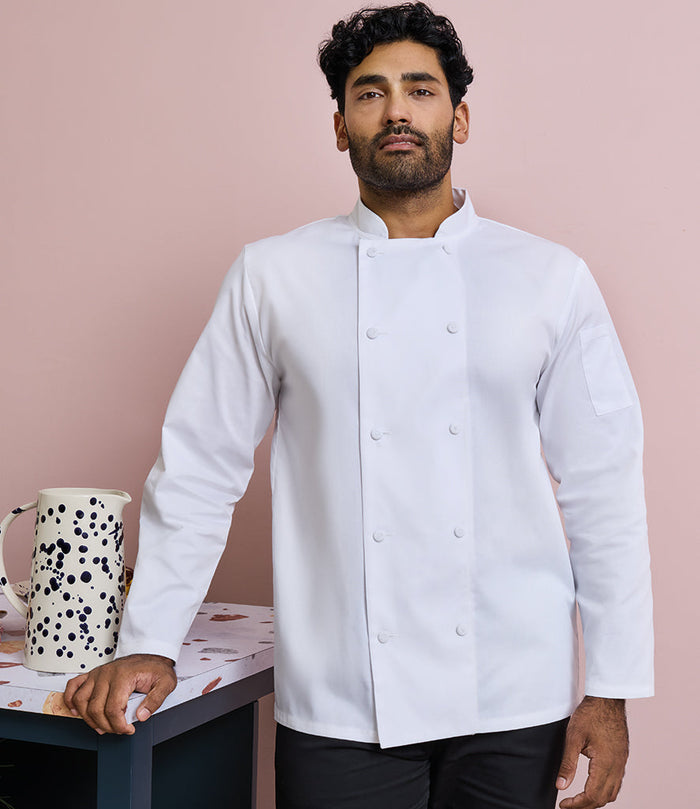
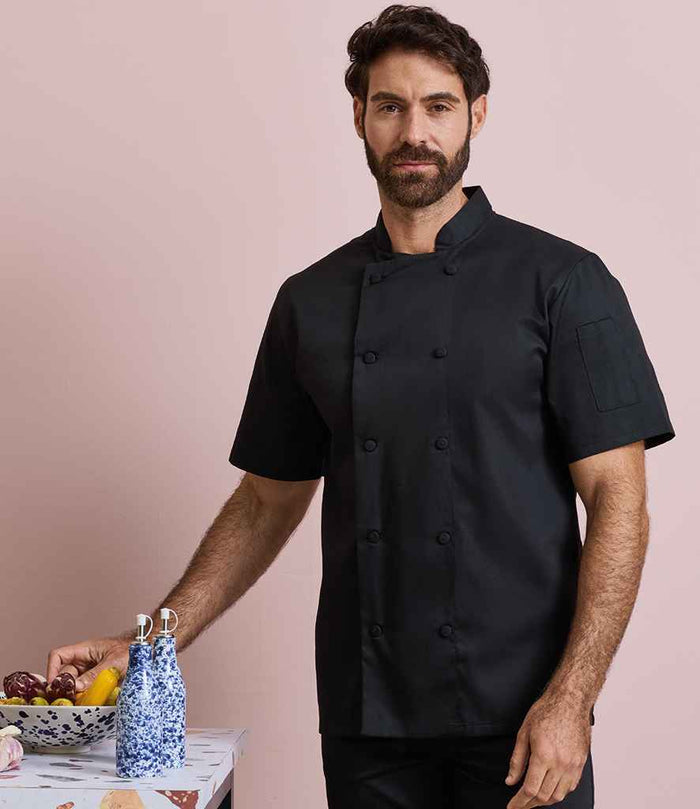
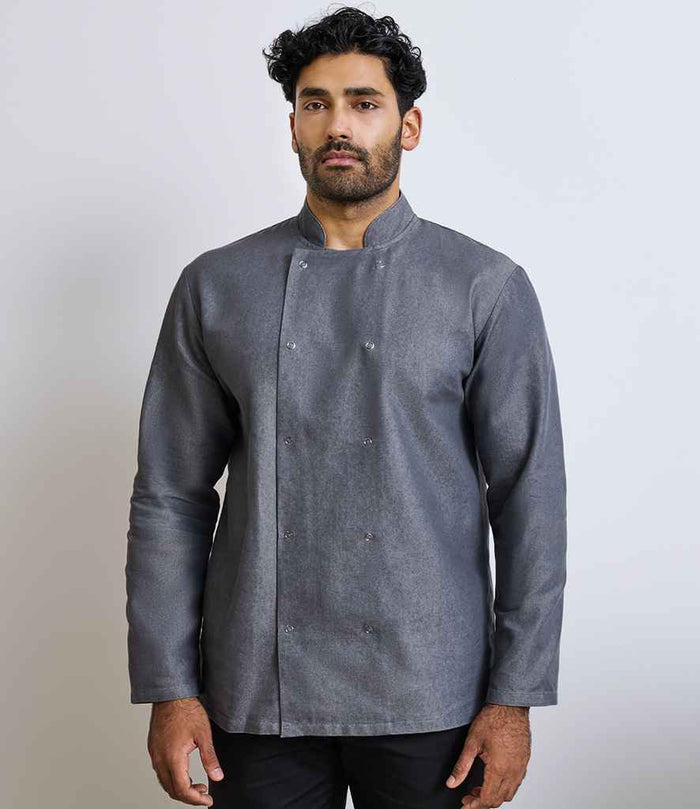
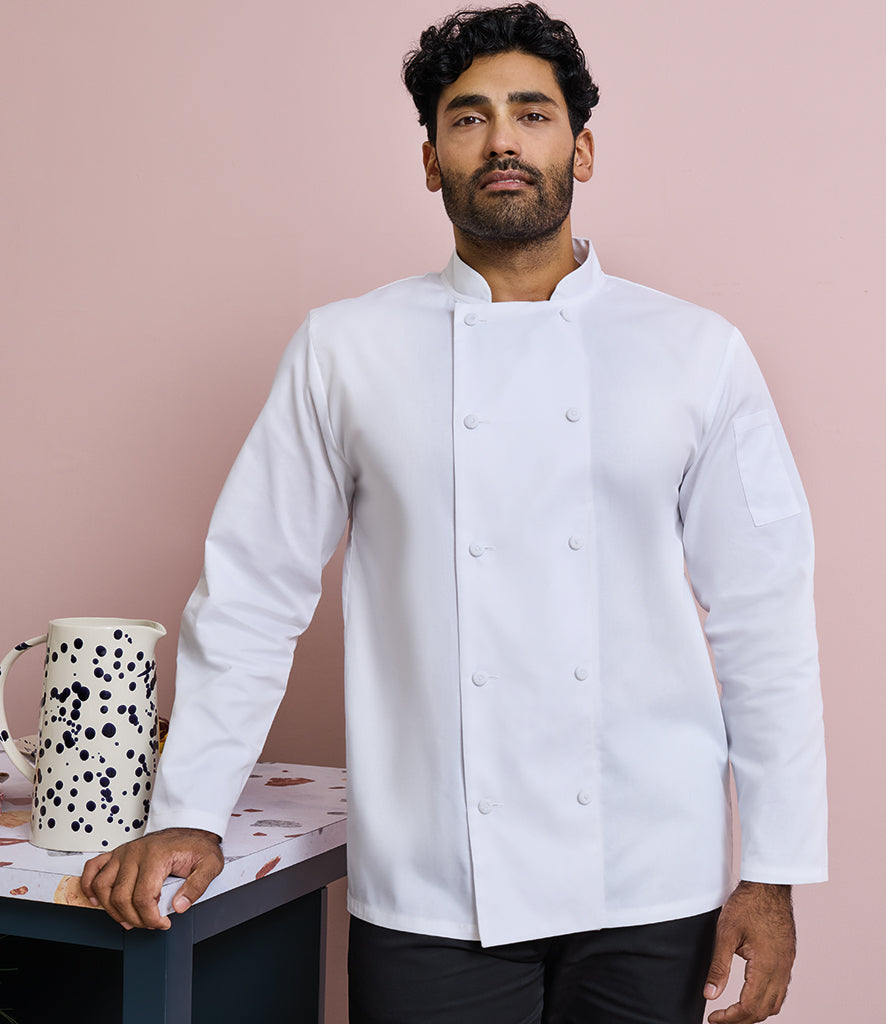
Kitchen clothing should be selected around the working environment rather than appearance alone. Consider chef jackets, chef trousers, aprons and headwear alongside movement, heat and the laundering routine used by the business.
Managers and supervisors
A different garment can make senior or supervisory roles easy to identify without breaking the overall uniform. This might mean a shirt instead of a polo, a different layer or a subtle colour change while retaining the same logo treatment.
Plan branding before ordering
Decide which garments need a logo, where it will sit and whether embroidery or print is the more appropriate method. Read our embroidery vs printing guide before approving the range.
Get sizing agreed before decoration
Use the manufacturer's size information for the exact garment and collect team sizes before personalised garments go into production. Our workwear sizing guide and team size collection sheet give you a repeatable process.
Think about new starters and replacements
Before approving a range, ask whether the same garments, colours and branding can be reordered later. Record style codes and agreed colours so a replacement order does not turn into another sourcing exercise. The new starter uniform checklist can help standardise this.
Questions to ask before you commit
- Which roles genuinely need different garments?
- Can the range stay visually consistent across those roles?
- Are the sizes and fits suitable for the whole team?
- Can garments be reordered in the same colours later?
- Is the chosen branding suitable for every garment?
- How will new starters and replacement garments be managed?
Need help building a hospitality uniform range?
Love My Uniform supplies hospitality clothing and branded garments to organisations across the UK. Request a business quote and tell us the roles, wearer numbers, colours and branding you need.