Uniforms for mobile care teams
Domiciliary care teams have different requirements from staff working in one fixed care home. Employees travel between locations, work in changing environments and need uniforms that remain practical throughout a full shift.
Start with the role
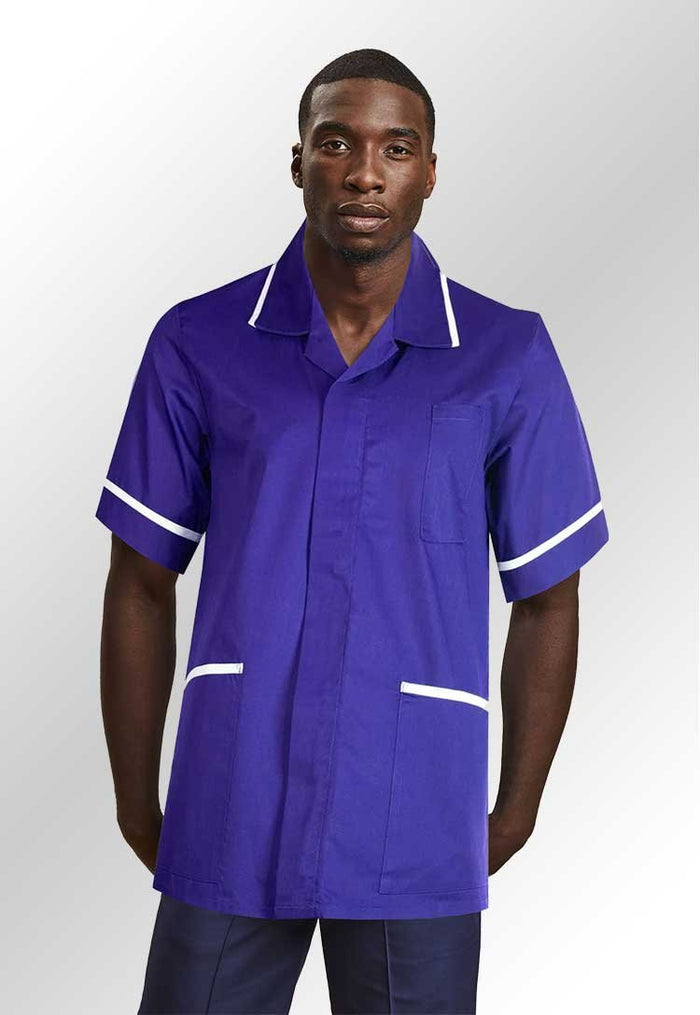
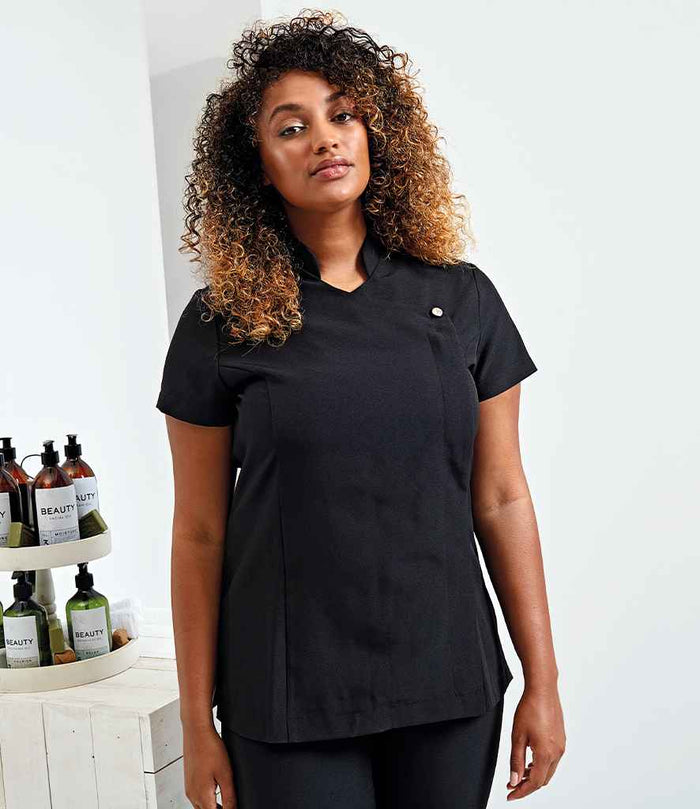
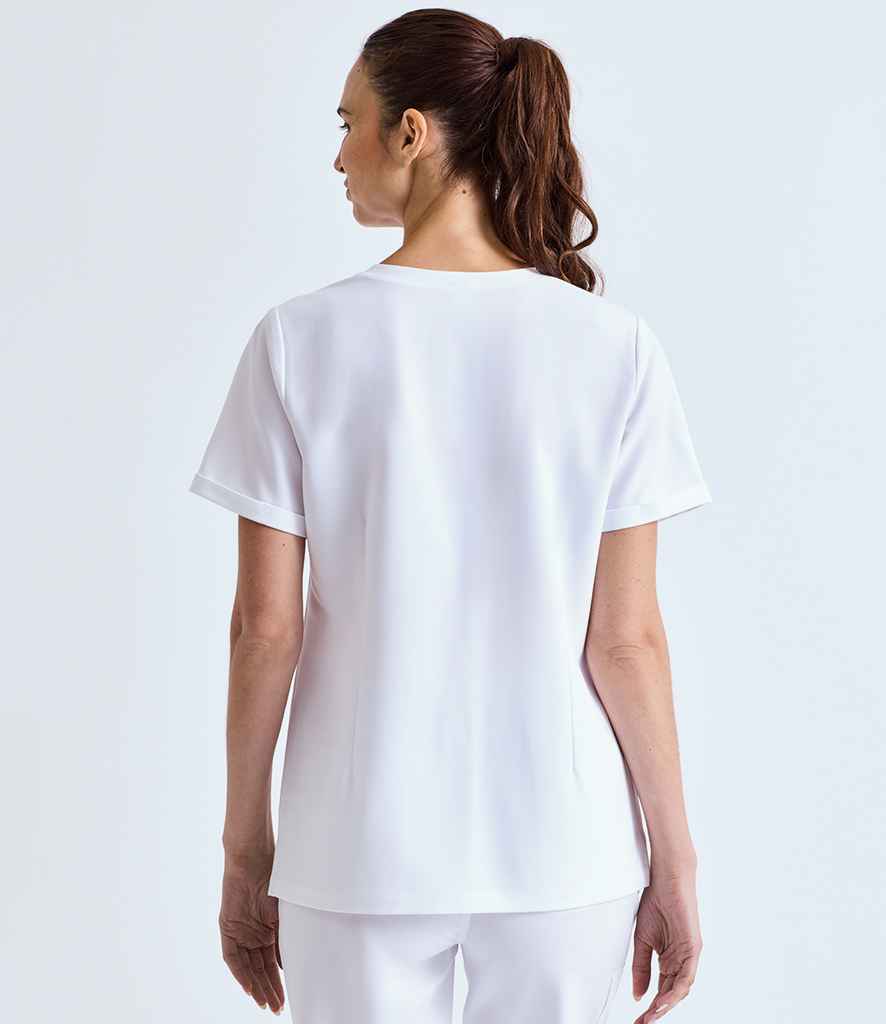
Build the range around what each employee actually does. Care staff may need tunics, polos or scrubs depending on the organisation's policy and working environment. Supervisors and coordinators may need a slightly different garment while still remaining visually connected to the care team.
Use colour carefully
Colour can help distinguish roles, but too many combinations make ordering harder. A simpler structure normally makes stock control, onboarding and replacement orders easier. Keep a written specification showing which colours and garments belong to each role.
Plan for new starters
Home-care providers often need to issue uniform quickly when new employees join. Standardising garment codes and approved colours makes that process much faster. It also reduces the risk of different branches ordering different products for the same role.
Branding and identification
Where branding is required, define the logo position and any additional wording once and reuse the same specification. This is particularly useful for multi-branch care providers.
Reviewing an existing supplier
If your current uniform works but service, availability or pricing has become difficult, LMU can review the garments you already use. Send us the current supplier or style codes through our Uniform Switch Service. You can also view our care uniform programme for related options.
Design for travel and changing conditions
Domiciliary carers move between vehicles, homes and outdoor conditions throughout the day. Plan a core top plus approved outer layers rather than treating a polo or tunic as the entire uniform. Consider warmth, weather protection, ease of movement and whether garments remain identifiable when a jacket is worn.
Support clear identification
Use consistent colours and visible branding in line with the organisation's own identification and safeguarding procedures. If staff carry separate identity cards, make sure the garment or outer layer does not obstruct the required display position.
Check practical details
Review pockets, sleeve length, fit while driving and the manufacturer's laundering instructions. A wearer trial can reveal issues that are not visible in catalogue images. Use the workwear sizing guide for team orders to organise consistent size collection. Include both typical and edge sizes so the approved style works across the team.
Make local reordering controlled
For providers with several branches, maintain one product list by role and state who can order alternatives. Record garment codes, colours, branding positions and permitted layers so new starters receive the same standard wherever they are based.
Plan quantities and replacements
Estimate how many garments each employee needs between laundry cycles, then allow for new starters, size changes and damaged items. Avoid holding large speculative stocks unless the organisation has a clear issue and rotation process. A smaller approved range with dependable replenishment is usually easier to manage.
Set a method for returning or recording leavers' garments in line with organisational policy, especially where branding could identify the care provider. Review the range after seasonal use so outerwear, lighter layers and common replacement sizes can be adjusted using evidence.
Planning a domiciliary care uniform order? Request a business quote with your wearer numbers, garment requirements, colours and branding.