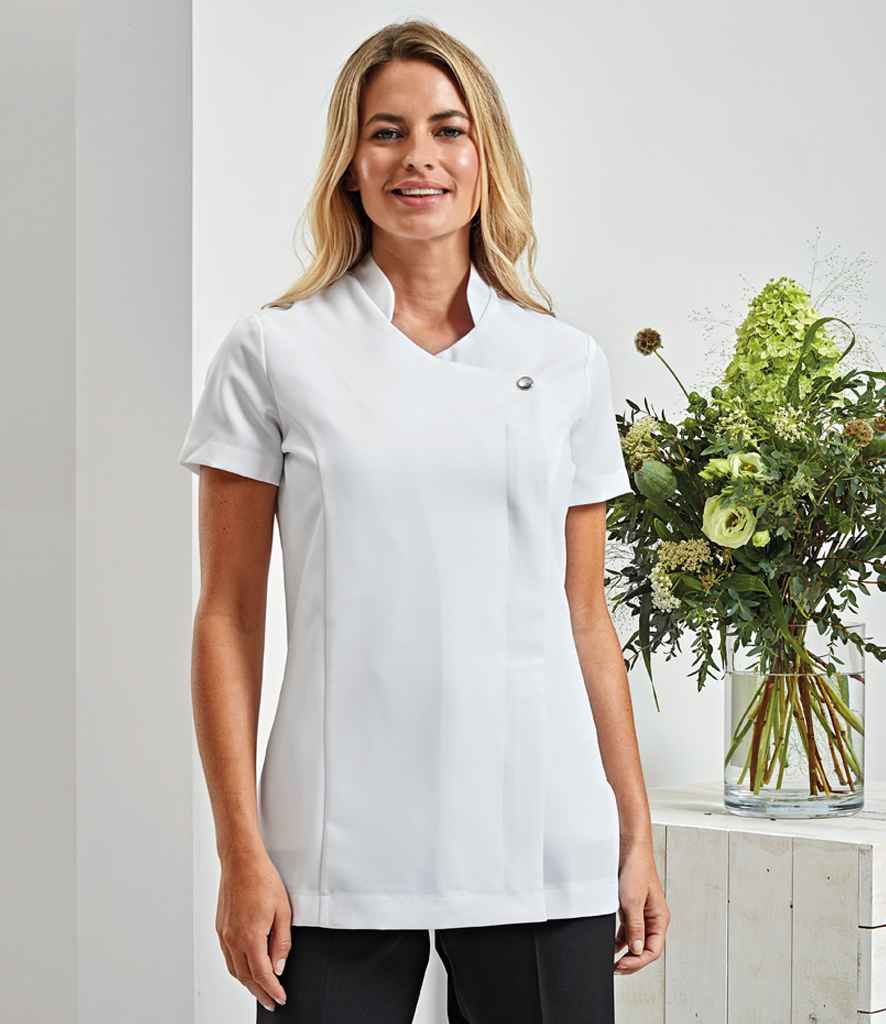
Changing supplier does not have to mean changing the whole uniform
One reason care providers stay with an unsatisfactory uniform supplier is the perceived disruption of moving. The existing garments may be familiar to staff, colours may already identify roles, and managers may not want to reissue clothing across every home at once.
A better approach is to treat the move as a controlled procurement project. In many cases the first objective is not a redesign. It is to preserve what works, identify what does not, and establish suitable replacements that can be introduced through normal replenishment.
1. Export what you currently buy
Start with the simplest evidence available: supplier order history, spreadsheets, invoices, product names, style codes or screenshots. Record the garment, colour, size range, role and approximate annual quantity. Exact information is useful, but an incomplete list is still better than starting from memory.
2. Separate essential requirements from legacy choices
Some parts of a uniform are genuinely operational: role colours, laundry requirements, pockets, length, fit or branding position. Other choices may simply exist because they were selected years ago. Mark each item as must keep, prefer to keep or open to alternatives.
3. Map uniforms by staff role
Care providers frequently need more than one garment family. Carers, nurses, housekeeping, catering, maintenance, reception and management can have different practical requirements. A role map prevents a supplier change from becoming an uncontrolled product search.
4. Check colour continuity
If colours identify roles, compare physical swatches or samples before a full transition. Colour names are not a guarantee that two manufacturers use the same shade. Where an exact match is impossible, plan the change deliberately rather than allowing mixed shades to appear by accident.
5. Check laundering instructions
Do not assume every healthcare-labelled garment has the same wash performance. Use the manufacturer's stated care instructions and ensure they are compatible with your organisation's laundering process before approving a replacement.
6. Standardise branding
Record the approved logo file, embroidery size, thread colours, placement and any role text. This prevents small differences appearing every time a new order is placed.
7. Decide how the transition will happen
A supplier change can be phased. Common options include moving new starters first, changing selected garments when stock is exhausted, moving one location at a time, or making a full change on an agreed date. The correct option depends on how important exact visual continuity is.
8. Test before committing
For a material change of garment, evaluate samples with the people who will wear them. Consider fit, movement, pockets, fabric feel and how the garment behaves after washing. A low-cost sample exercise can prevent an expensive team-wide mistake.
9. Build the reorder list
Once replacements are agreed, create one approved list containing product code, colour, role, branding and size range. That list should become the basis for new starters and replenishment rather than relying on individual managers to search a catalogue.
10. Compare the service, not only the unit price
Uniform cost includes administration, incorrect orders, unavailable products, repeated logo setup, staff time and delivery disruption. A slightly cheaper garment can become more expensive if the buying process is difficult to manage.
What to send Love My Uniform
If you want us to review an existing care-home range, send the current supplier, style codes or garment names, colours, quantities and logo requirements. We can help identify potential matches or alternatives and structure a business quote around the requirement.
Explore care home uniforms or use the LMU Uniform Switch Service.