Veterinary work creates a demanding uniform brief
Veterinary teams combine clinical work, physical movement, customer contact and, in many practices, several different staff functions under one brand. A uniform range needs to cope with the work while remaining straightforward to replenish.
1. Map the practice by role
Start with veterinary surgeons, veterinary nurses, animal-care assistants, reception, management and any other operational roles. Decide which groups genuinely need different garments and which can share a core range.
2. Choose clinical garments around the work
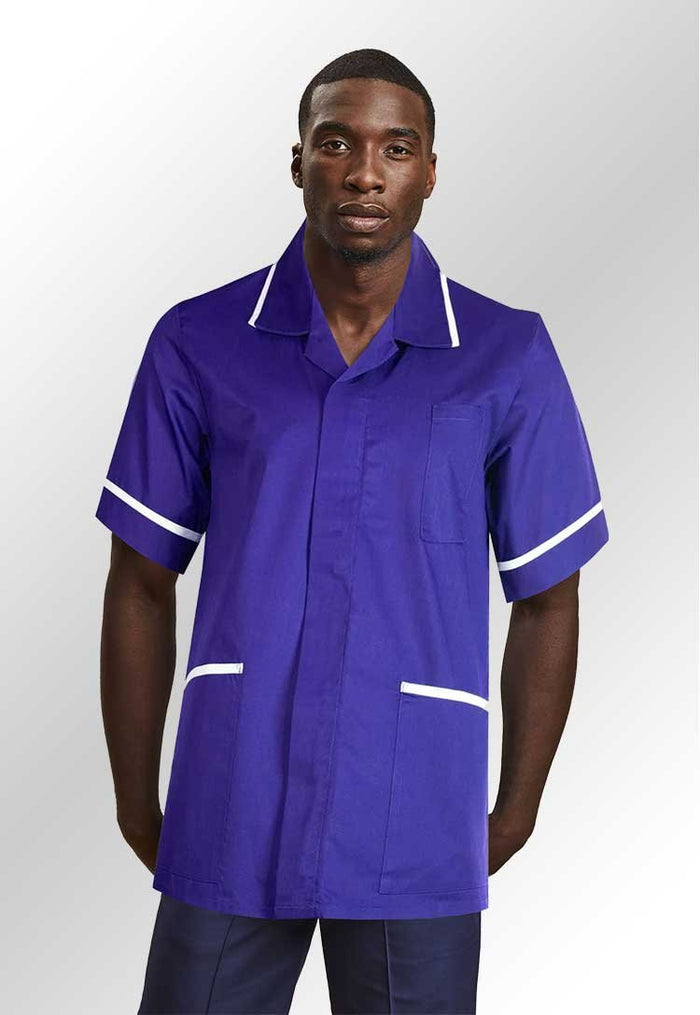
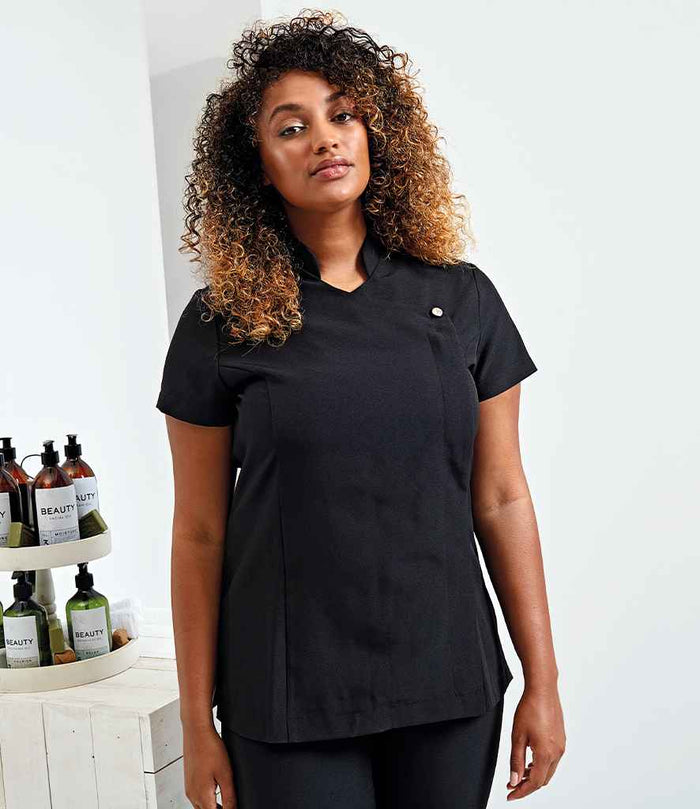
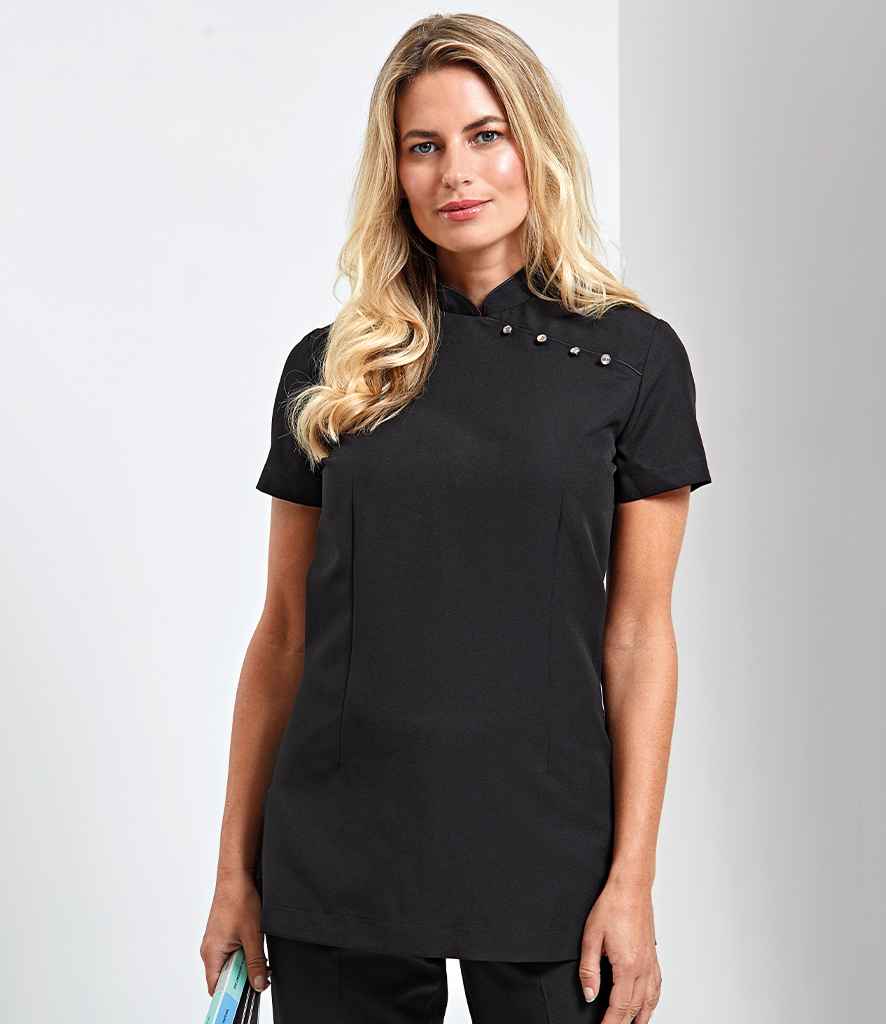
For vets and nurses, compare freedom of movement, fabric, fit and pocket layout. Stretch can be useful in highly active roles, but it should be considered alongside durability, garment care and price rather than treated as the only measure of quality.
3. Review pocket configuration
Two scrub tops can look nearly identical online while functioning very differently because of pocket number, position and depth. Ask wearers what they actually carry during a shift before standardising the garment.
4. Check laundering instructions
Confirm manufacturer care instructions against the practice's laundering process. Do not assume that every scrub or healthcare garment is intended for the same wash temperature.
5. Coordinate reception without using the same garment
Reception teams can share brand colours and embroidery while wearing polos, blouses, shirts, knitwear or businesswear. The result is a coordinated practice rather than an unnecessarily identical one.
6. Decide whether colour identifies roles
If colour is used for role recognition, keep the system simple. Too many shades increase procurement complexity and make substitutions harder. Review physical colours where matching matters.
7. Standardise branding
Set approved logo artwork, thread colours, placement and size. If names or job titles are added, establish a consistent format. Good branding control prevents a uniform programme from gradually fragmenting over repeated orders.
8. Include outer layers
Veterinary staff may move between consulting rooms, kennels, outdoor areas and different temperatures. Decide which fleeces, soft shells or other layers are approved and whether clinical and reception roles use the same outer layer.
9. Make reordering easy
Maintain a controlled list of approved products by role, including style code, colour and branding. This reduces ordering errors and makes new-starter requirements faster to fulfil.
10. Treat multi-site practices as one programme
For veterinary groups, centralising the core uniform specification can improve visual consistency and make buying easier. Locations may still need flexibility, but that flexibility should sit inside an approved range rather than each site selecting independently.
Changing veterinary uniform supplier?
If the existing uniform is broadly right, a supplier change does not have to mean an immediate full replacement. Share the current product information and a transition can be planned around suitable matches, replacement cycles and new starters.
Explore veterinary uniforms from LMU or review your current supplier range. For a costed requirement, request a business quote.
Test the range in real practice conditions
A short wearer trial should cover consulting, lifting, cleaning, reception contact and movement between indoor and outdoor areas. Ask testers to record whether pockets remain usable, sleeves and trouser lengths are practical, and layers work together without restricting movement.
Separate clinical safety decisions from branding
Uniform branding should not override the practice's own infection-control, health-and-safety or laundering policies. Confirm those requirements internally, then choose garments and decoration that work within them. Product care information should be stored with the approved range so a replacement buyer can check it later.
Create a controlled practice list
For every role, record the product code, colour, approved sizes, logo position and optional layers. Multi-site groups should also name who can approve alternatives. This reduces accidental variation while still allowing a documented substitute when stock or a product range changes.