Uniform colour should solve a problem
Colour can support a dental practice's brand, distinguish roles and make the team easier for patients to recognise. It can also create unnecessary complexity if every job title receives a different shade without a clear reason.
Start by deciding what colour needs to achieve before selecting garments.
Option 1: one clinical colour
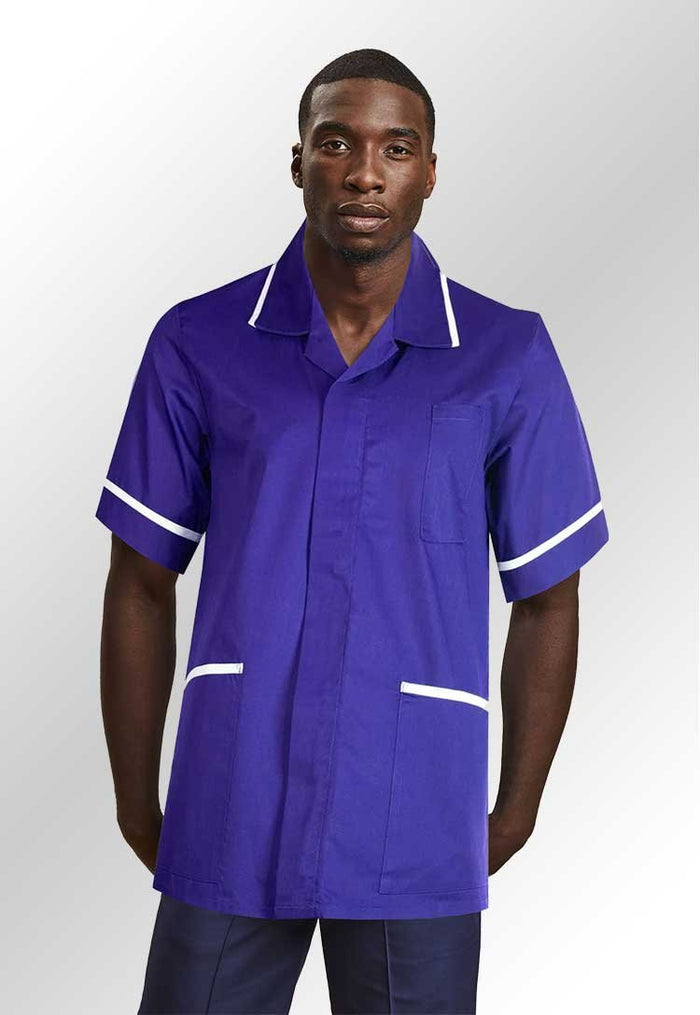
The simplest approach is one core colour for dentists, dental nurses and hygienists, with role identification handled through names, job titles or introductions rather than different garments. This gives the practice a very consistent clinical appearance and makes reordering straightforward.
Option 2: role-based colours
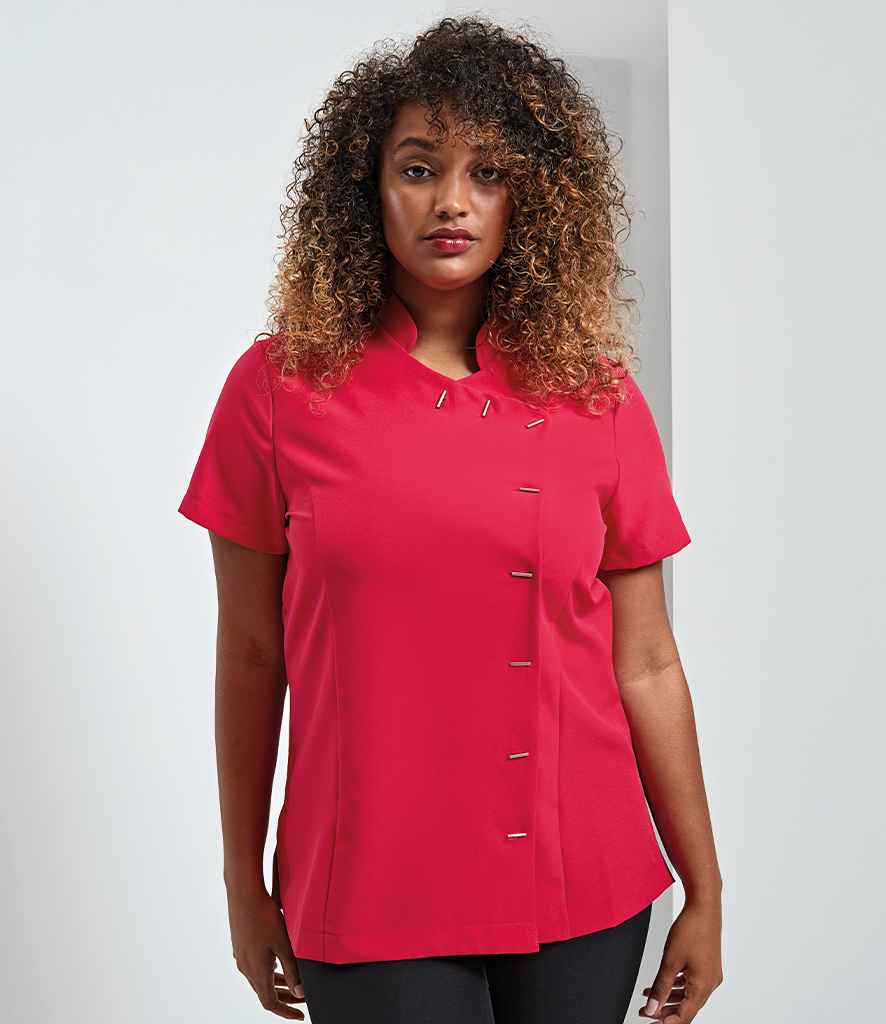
Where the practice wants patients to distinguish clinical roles visually, use a small number of clearly different colours. Avoid shades that are so similar they lose their purpose in normal lighting. Keep a written record of which colour belongs to each role.
Option 3: brand-led neutrals
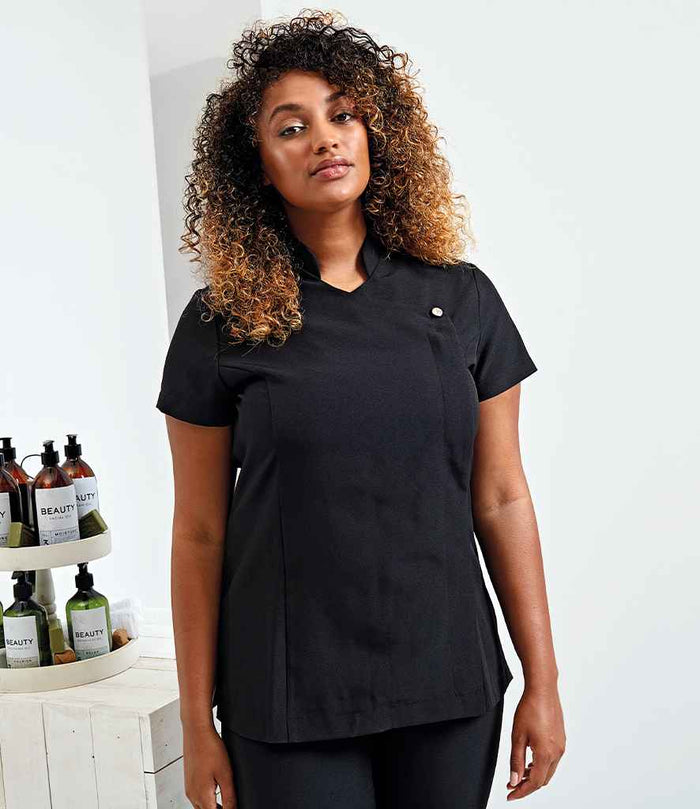
Some practices achieve a stronger premium look by using neutral or dark garments and allowing the embroidered logo to carry the brand colour. This can be easier to manage than trying to find fabric that exactly reproduces a corporate colour.
Reception does not need to wear scrubs
A coordinated practice does not require identical garments. Reception and administration can wear polos, blouses, shirts or knitwear in colours that complement the clinical range. The same logo, tone and controlled palette can keep the whole team visually connected.
Check your logo on every colour
Before approving the uniform, test how the logo reads on each garment shade. A dark logo can disappear on navy or black, while light embroidery may dominate pale garments. Where necessary, create an approved alternative thread treatment for dark backgrounds.
Use physical samples when colour matters
Screen colours vary and manufacturers may use similar names for different shades. If the practice is matching an existing interior or replacing a current supplier, review physical garments before committing to a full team order.
Consider availability and repeat ordering
A colour system only works if approved garments can be reordered. Choose core styles and shades with a sensible size range and record the product code. Where more than one garment family is used, check whether the colours coordinate sufficiently rather than relying on identical shade names.
Plan outer layers too
Cardigans, fleeces or jackets can disrupt an otherwise consistent scheme. Decide whether everyone uses a common outer layer or whether role colours continue into additional garments.
Keep the system documented
Create a simple uniform specification for each role: product, colour, branding, size range and approved alternatives. This turns future new-starter orders into a repeat process instead of another design decision.
Need help building or matching a dental range?
Love My Uniform can work from an existing supplier list or help structure a new practice requirement. Explore dental uniforms, use the Uniform Switch Service or request a business quote.
Approve colours in the environment where they will be worn
Lighting changes how fabric colours appear. Review samples in reception, surgery and staff areas rather than relying only on a monitor. Place proposed logo thread colours against every garment shade and confirm that names or job titles remain legible.
Document the palette
Record manufacturer colour names and product codes, not just descriptions such as blue or grey. If reception uses a different garment family, note whether it must match the clinical shade exactly or simply coordinate with it. This distinction makes later substitutions easier to judge.
Plan for discontinuations
Name an approval process for replacement shades and decide whether old and new garments can be mixed during transition. For multi-site practices, share the same controlled palette and branding file across every location so local ordering does not gradually introduce avoidable variations.