Running clubs often have a deceptively complicated clothing requirement. Members want technical garments for training and races, volunteers may need event clothing, committee members may want identifiable kit and new runners can join throughout the year.
A stock-supported clothing system helps keep all of that manageable.
Start with the technical T-shirt
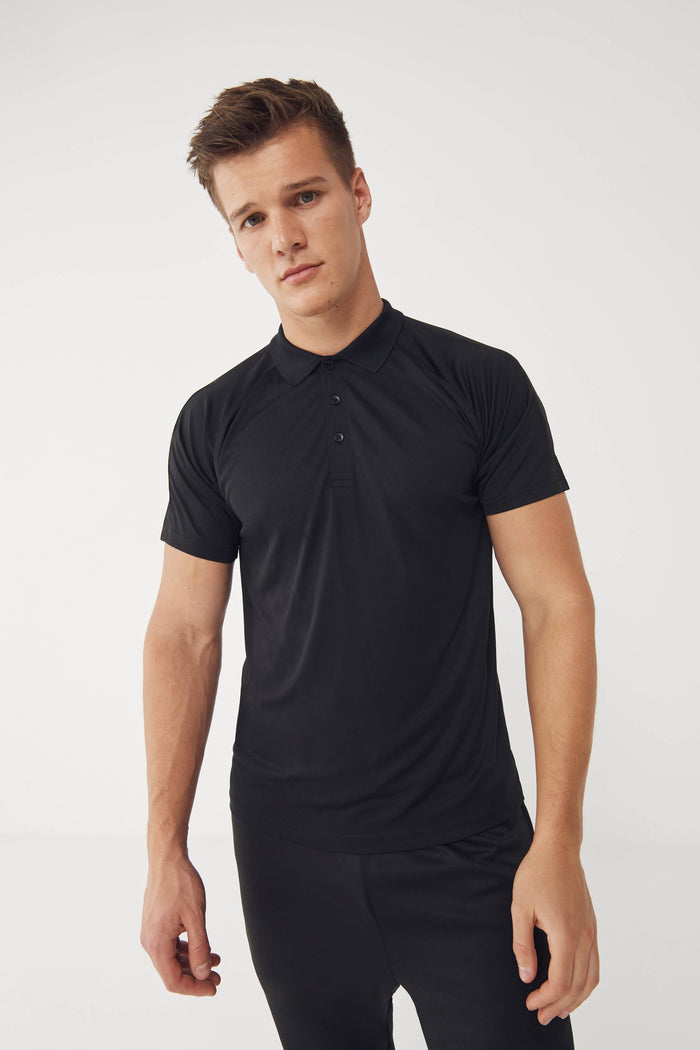
For many running clubs, the performance T-shirt is the core garment. It should be lightweight, comfortable and available in enough colours and sizes to support the club identity.
Our Performance T-Shirts collection provides the starting point, including products from Just Cool by AWDis.
Add layers for year-round use
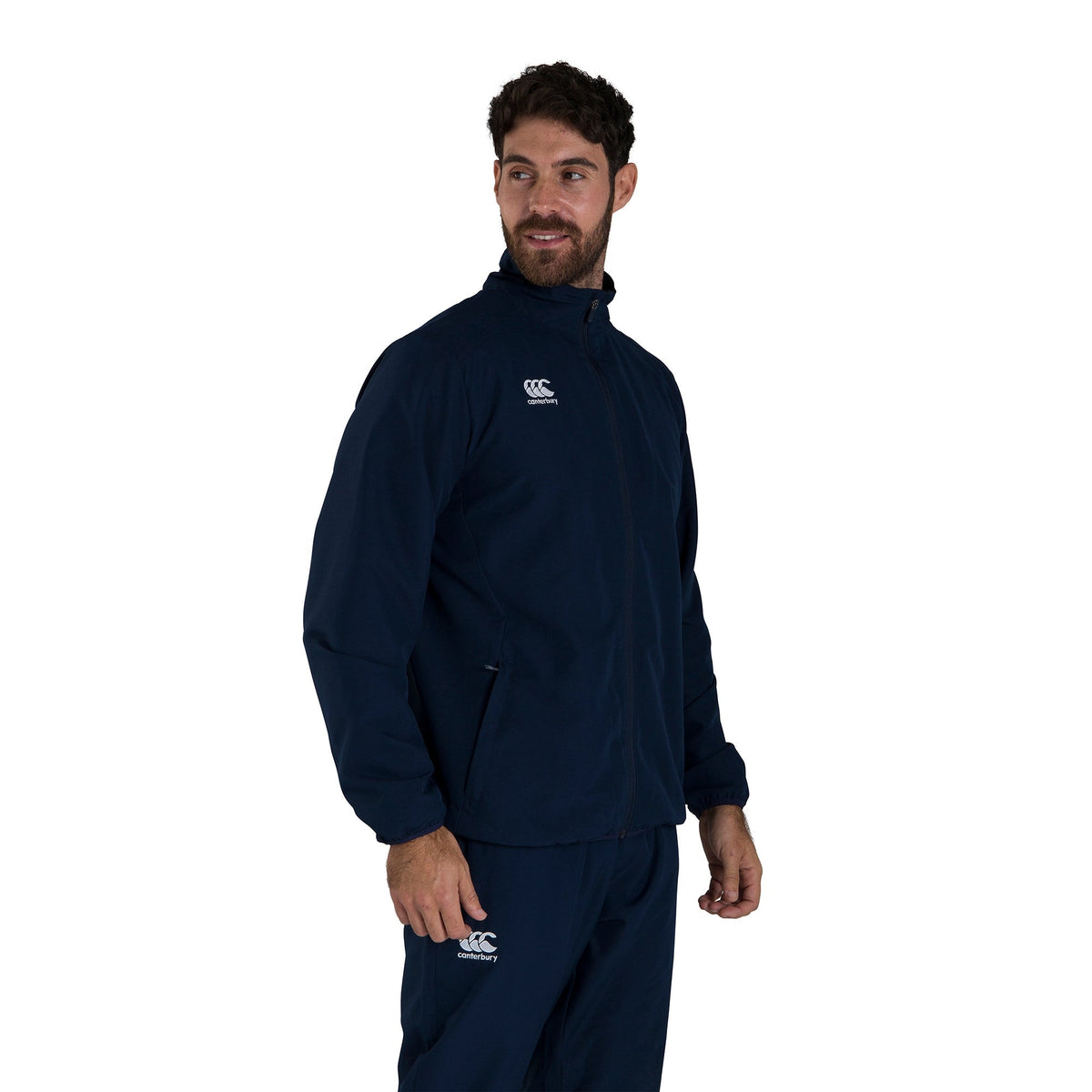
UK running clubs do not operate in one season. Quarter-zips, hoodies, lightweight outer layers and selected weather protection can extend the same club identity into colder training sessions and event days.
Plan for events and volunteers
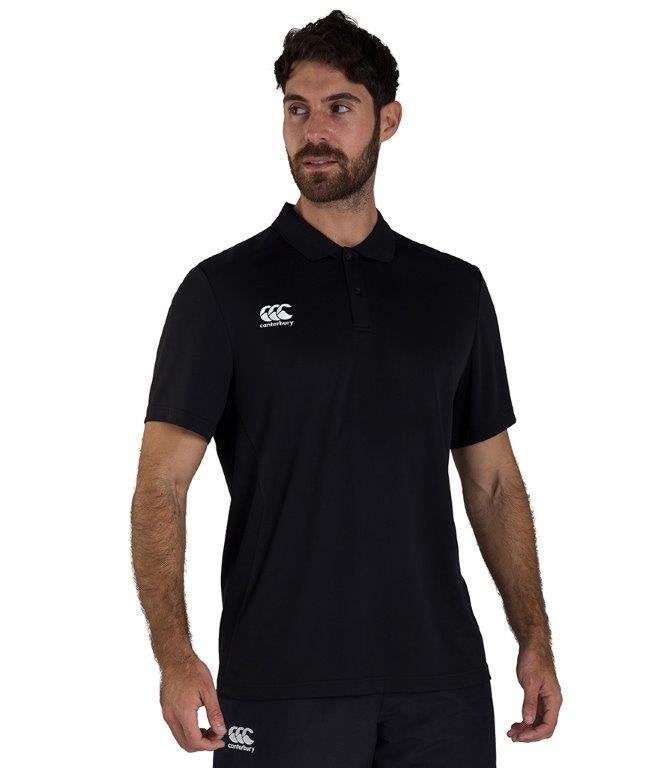
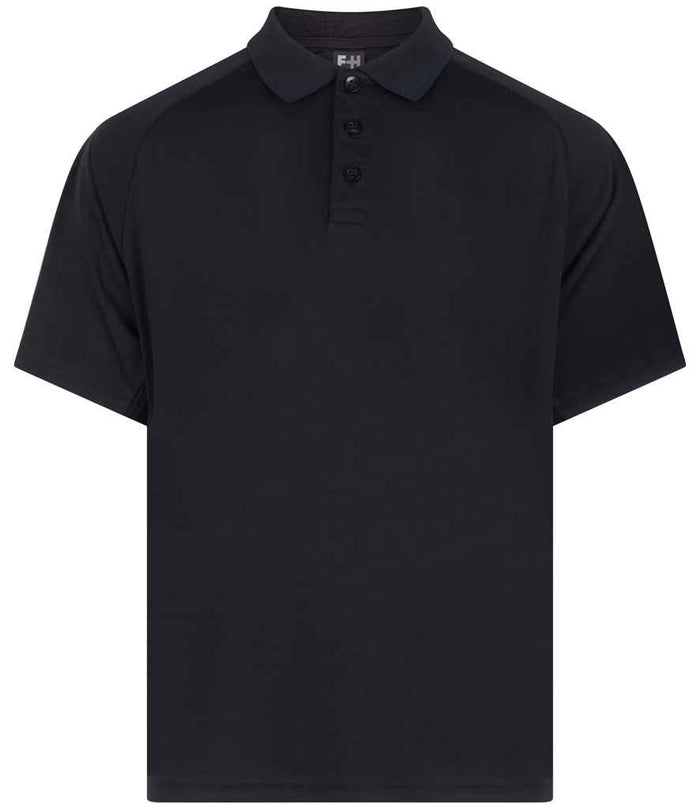
Marshalling, coaching and event support can require different garments from the runners themselves. A polo, hoodie or outer layer may be more practical for volunteers, while still using the same club colours and branding.
The Running & Event Teamwear route is designed to bring those products together.
Make repeat orders part of the plan
New members should not force the club to restart its clothing project. Select stock-supported garments, record the approved colour and decoration specification, and keep that information available for future orders.
This is especially useful for clubs where members buy at different times rather than through one annual bulk order.
Do not overcomplicate the range
A short, well-defined range usually performs better than a catalogue of loosely related items. Start with the garments members genuinely use and expand only when demand is clear.
Plain garments have no minimum order. Online embroidery and print require at least 10 branded garments, so clubs can keep plain-garment top-ups separate from branded production requirements.
Request a running club clothing quote or explore the Sports & Teamwear range.
Create simple member packages
Offer a clearly defined core top, then optional layers for colder training, events or volunteering. Too many similar choices can fragment the club look and make small repeat orders difficult. State which items are official kit and which are optional merchandise.
Order around the calendar
Work backwards from race dates, charity events, new-member intakes and seasonal weather. Allow time for size collection, artwork approval and branding. A published cut-off date helps members respond and reduces last-minute substitutions.
Plan for visibility and conditions
Choose colours and layers for the environments in which the group trains, following the club's own safety procedures. Consider how branding appears when a jacket or high-visibility layer is worn and whether volunteers need a distinct garment.
Make joining easy
Keep the approved product code, colour, size guide and logo position in one club document. New members can then order the same range without relying on an old social post or a photograph. Nominate who can approve alternatives if stock changes.
Review the range after events
Collect feedback on fit, comfort, wash performance and which layers were actually used. Track spare stock and common missing sizes. That evidence helps the club place a more accurate next order and avoid carrying unpopular items.