For many rugby clubs, the playing kit is only one part of the clothing requirement. Players train, travel and warm up in different garments, while coaches, managers and volunteers need practical clothing that still looks part of the same club.
That creates an opportunity to standardise the clubwear around the match kit without changing the specialist supplier that produces the playing strip.
Build a core off-field range
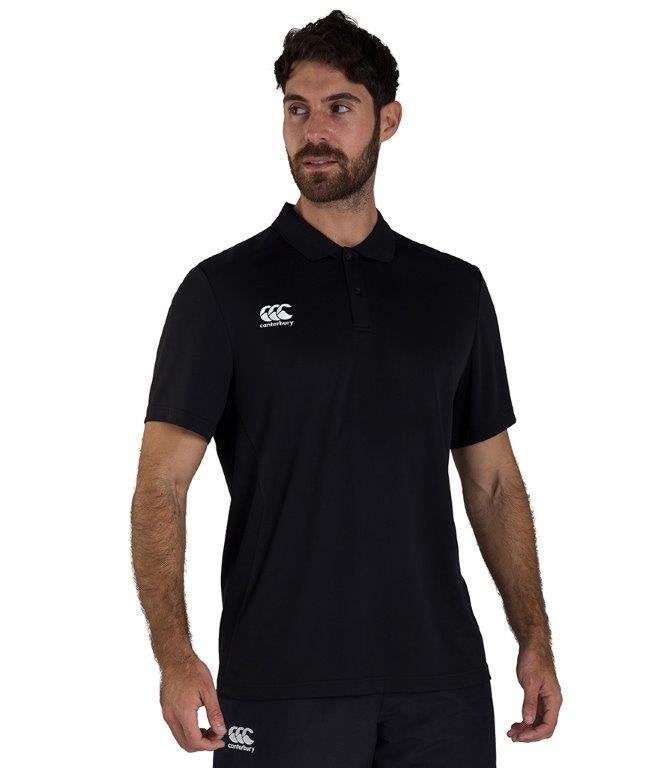
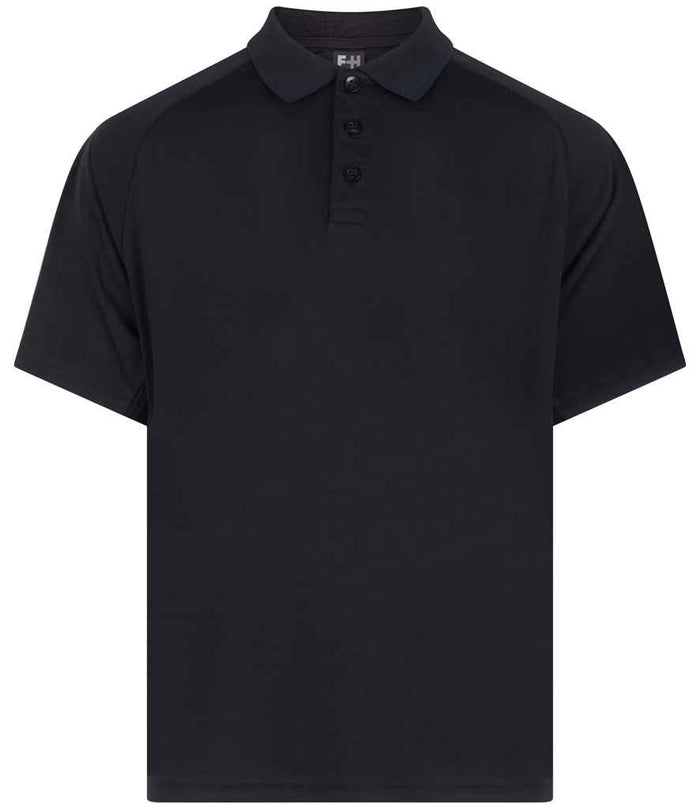
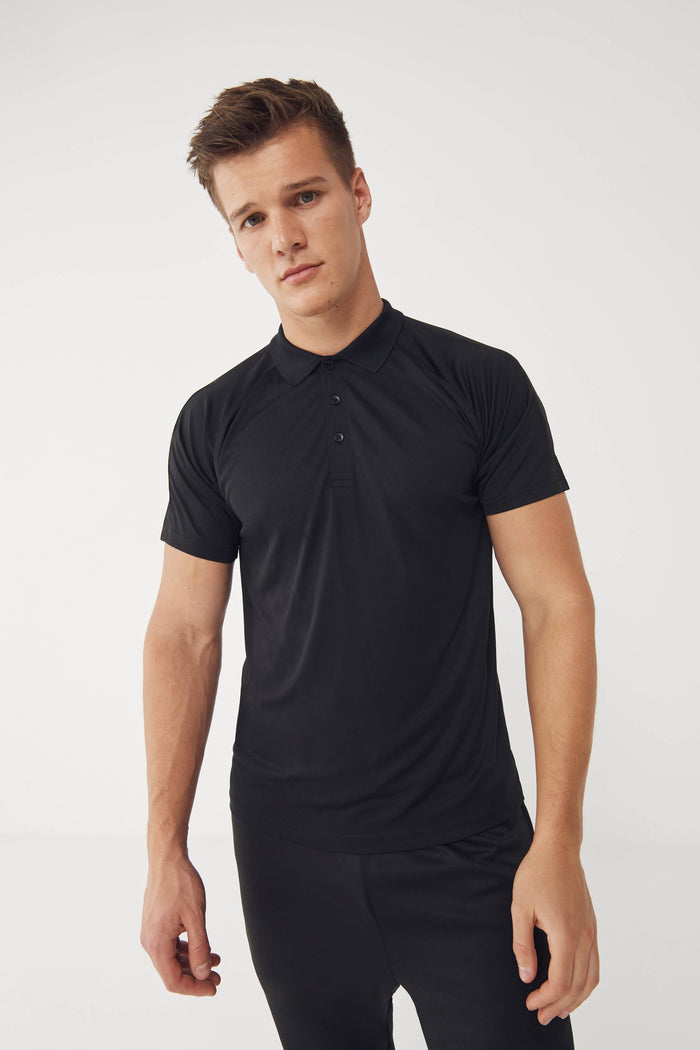
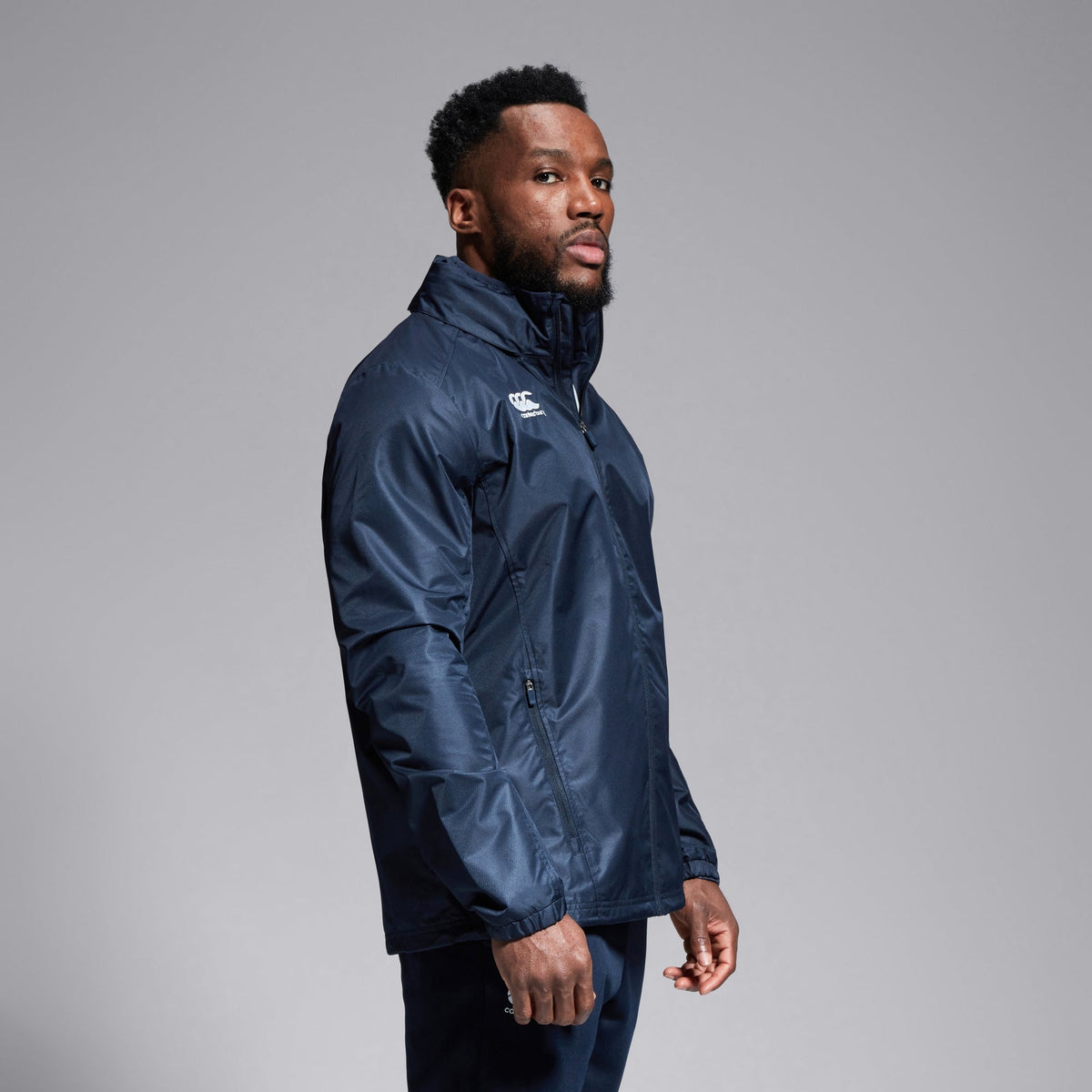
A useful rugby club range normally starts with a small number of garments that can be worn across multiple roles: a technical training T-shirt, polo, hoodie or midlayer, track pants, rain jacket and bag. Additional items can then be added where the club genuinely needs them.
Our Rugby Club Teamwear collection is structured around this type of stock-supported clothing.
Use one colour system
Training garments do not have to copy the playing shirt exactly, but they should look intentional together. Selecting one dominant colour and one secondary colour makes it easier to coordinate different product types and reorder them later.
Separate player and staff requirements
Players may prioritise technical fabrics and training layers. Coaches often need polos, midlayers and weather protection. Managers and support staff may need a more general clubwear option. The garments can differ while the branding, colour and overall presentation remain consistent.
The Coaches & Support Staff range gives a separate route for those roles.
Use stock-supported ranges for repeat orders
Clubs rarely order once. New players arrive, juniors move between teams and staff change. Stock-supported garments make those additions much easier than restarting a bespoke production process every time.
Canterbury teamwear gives a recognised route for rugby training and club clothing, while Finden + Hales provides coordinated adult and junior teamwear across several core categories.
Plan decoration around the fabric
Club crests, sponsor marks, initials and role identification should be planned before ordering. Some technical fabrics are better suited to print, while polos, hoodies and selected outer layers often work well with embroidery. We review the garment and artwork before production.
Keep the system simple
A successful club range should be easy for the kit manager or committee to explain: approved garment, approved colour, approved branding and a clear route for future orders.
Love My Uniform supplies stock-supported teamwear with no minimum order on plain garments. Online embroidery and print require at least 10 branded garments; larger club requirements can be quoted separately.
Request a rugby club teamwear quote or explore Sports & Teamwear.
Plan issue points across the season
Map when players, coaches and volunteers need garments: pre-season, league start, winter training, tours and end-of-season events. Ordering against those dates helps the club avoid treating every new member or missing size as an emergency.
Define who receives what
Create simple packages by role or squad, such as player training kit, coach touchline wear and optional supporter items. Make it clear which pieces the club supplies and which are self-funded. This keeps the core identity controlled while avoiding unnecessary stock.
Keep a reorder record
Store product codes, colours, logo positions and adult or junior size ranges with the approved artwork. Nominate one person to authorise substitutes when a product is unavailable. A documented alternative is safer than allowing each team to choose a different replacement.
Review after use
At the end of the season, record recurring sizing problems, damaged items, unused stock and garments that players actually preferred. Use that evidence to refine the next order rather than rebuilding the range from scratch.